5 Easy Activities to Encourage Early Literacy at Home
Encourage early literacy at home with simple, fun activities! From reading together and letter play to storytelling, writing, and rhymes, discover practical ways to help your child build language skills, confidence, and a love for learning.
The Little Nest Playschool
12/22/20253 min read
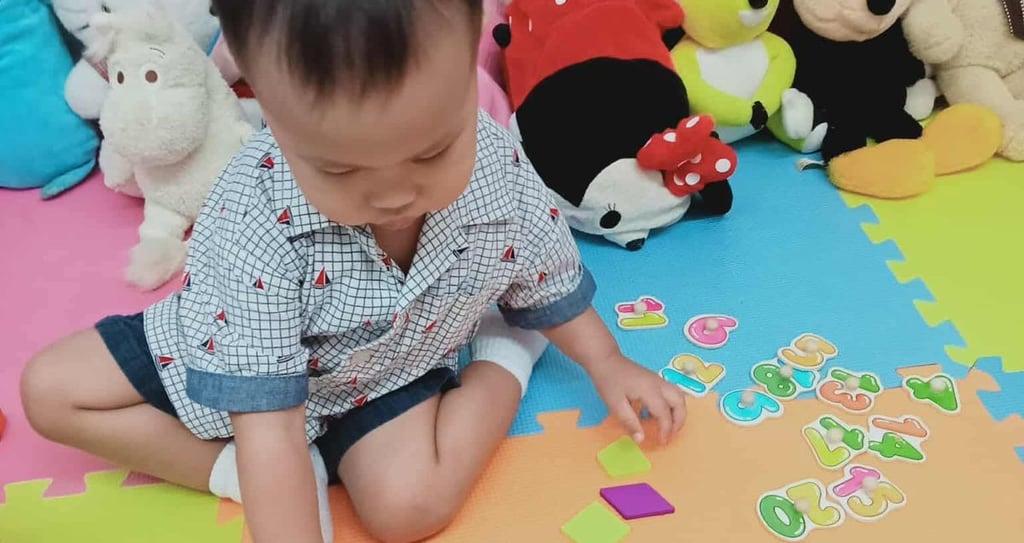
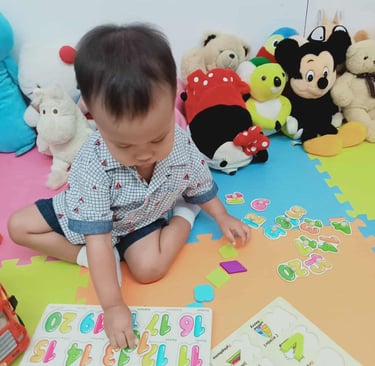
Early literacy skills lay the foundation for a lifetime of learning. At Little Nest Playschool, we believe that fostering a love for reading, writing, and language begins long before children enter formal schooling. Even toddlers and preschoolers can develop essential literacy skills through fun, interactive, and playful activities at home. By creating simple, engaging opportunities for children to explore letters, words, and stories, parents can help build confidence, curiosity, and a love for reading from an early age.
Here are five easy activities you can try at home to encourage early literacy:
1. Read Together Daily
Reading together is one of the most powerful ways to support early literacy. Even just 10–15 minutes a day can make a big difference. Choose age-appropriate books with bright pictures, simple words, and engaging stories.
Tips to make reading interactive and enjoyable:
Ask questions: “What do you think happens next?” or “Can you find something red on this page?”
Use voices and expression: Bring characters to life to keep children engaged.
Point out letters and words: Help children notice familiar letters in signs, labels, or the book itself.
By making reading a daily routine, children begin to associate books with fun, curiosity, and shared connection with their parents.
2. Letter Play and Recognition
Introducing letters through playful activities helps children become familiar with the building blocks of reading. You can incorporate letters into everyday life in ways that are fun and hands-on.
Some ideas include:
Alphabet puzzles: Children match letters with shapes or pictures.
Letter scavenger hunt: Look for letters around the house or in storybooks.
Magnetic letters: Arrange them on a fridge and encourage children to spell simple words.
The key is repetition and playfulness. Children will naturally begin to recognize letters, sounds, and eventually, simple words.
3. Storytelling and Imaginative Play
Encouraging children to tell their own stories builds both vocabulary and comprehension skills. Storytelling can be incorporated into daily routines or playtime:
Picture prompts: Show a picture and ask your child to describe what’s happening.
Toy storytelling: Use dolls, animals, or action figures to create mini-narratives.
Family storytelling: Share short stories from your own childhood and invite your child to respond or add details.
Storytelling nurtures creativity, encourages sentence formation, and helps children understand narrative structure, all of which are key early literacy skills.
4. Writing and Drawing Activities
Even before children can write words, engaging them in drawing and early writing exercises helps develop fine motor skills, letter formation, and expression.
Ideas to try at home:
Name practice: Encourage children to write their names with crayons, markers, or finger paint.
Drawing and labeling: Have your child draw a picture and help them write the first letter of the object.
Simple journals: Encourage children to dictate stories while you write, then let them add their own marks or letters.
Writing activities make literacy tangible and enjoyable. Children feel proud of their creations and begin to understand that symbols and letters represent words and ideas.
5. Play with Rhymes and Songs
Songs, chants, and rhymes are excellent tools for early literacy development. They help children recognize sounds, develop phonemic awareness, and build memory skills.
Some fun approaches include:
Nursery rhymes: Recite classics like “Twinkle, Twinkle Little Star” while encouraging your child to join in.
Clapping games: Clap hands to syllables in words to help children hear distinct sounds.
Rhyme matching: Play simple games where your child finds objects or pictures that rhyme.
Incorporating music and rhythm makes learning enjoyable and reinforces the connection between sounds and words, an essential foundation for reading.
Making Literacy Fun and Stress-Free
The most important aspect of early literacy is keeping it playful. Children learn best when they are engaged, curious, and having fun. Short, interactive activities, repetition, and encouragement help children build skills without pressure. At Little Nest, we use the same play-based, hands-on approach in our classrooms, ensuring children develop literacy skills naturally while enjoying the process.
By introducing books, letters, stories, writing, and rhymes into daily routines, parents create a literacy-rich environment at home. These activities not only prepare children for reading and writing but also strengthen parent-child bonds, spark curiosity, and build confidence in learning.
Conclusion
Early literacy is a journey, not a race. Through reading, letter play, storytelling, writing, and rhymes, children develop the foundational skills that will support them for years to come. Little Nest Playschool emphasizes playful, interactive learning, and these home activities reinforce those principles. By making literacy fun, parents can help children discover the joy of language, imagination, and self-expression—laying the groundwork for lifelong learning.
📞 Call: 0945 291 9906
💬 Message: m.me/TheLittleNestPlayschoolMainBranch
📘 Facebook: facebook.com/TheLittleNestPlayschoolMainBranch
✉️ Email: admin@thelittle-nest.com
© 2025. All rights reserved.