
A Day in the Life at Little Nest: From Arrival to Playtime
Get a behind-the-scenes look at a typical day at Little Nest Playschool. From a warm arrival and energizing physical activity to short, focused lessons, snack time, and free play, discover how our structured routine helps children learn, build confidence, and enjoy every moment at school.
The Little Nest Playschool
11/24/20253 min read
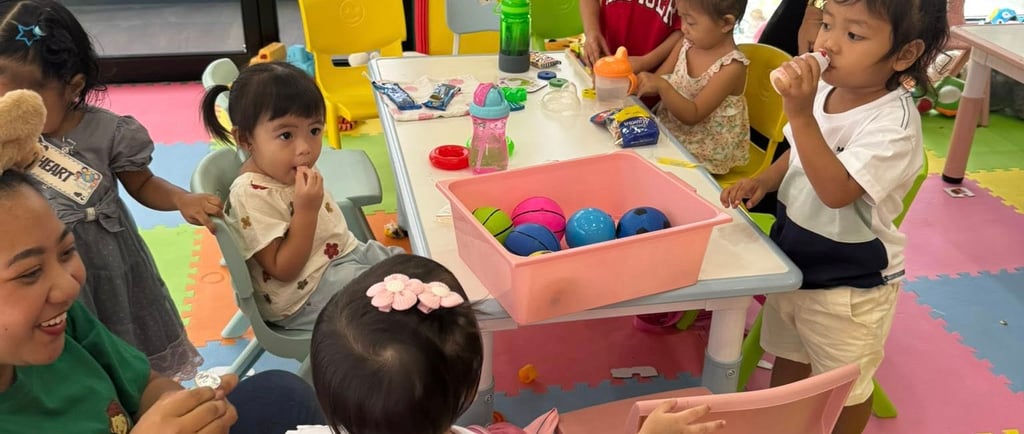
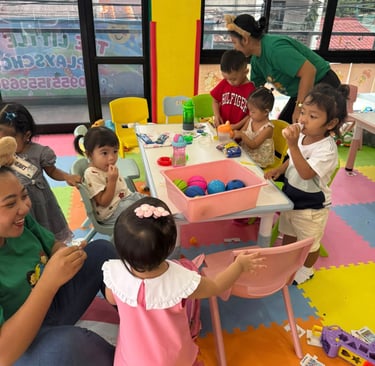
At Little Nest Playschool, we believe that a child’s day should feel joyful, structured, and filled with meaningful moments of learning and connection. Parents often wonder, “What happens during my child’s time at Little Nest?” Today, we’re sharing a closer look at our daily routine—designed carefully to balance movement, lessons, social development, and just the right amount of play.
Arrival: A Warm and Comforting Start
Each day begins with a cheerful welcome as children step into the classroom. Arrival time is a gentle transition from home life to school life. Teachers greet each child by name, helping them feel seen and valued immediately. Children place their bags in their cubbies and settle into simple warm-up activities—puzzles, books, blocks—while waiting for their classmates. This slow, calm start helps children adjust their mindset and prepares them emotionally for the day’s activities.
Physical Activity: Energizing the Body and Mind
Once everyone has arrived, we begin with physical activity to wake up the body and sharpen focus. This might include dancing, stretching, action songs, simple drills, or movement games. Even just 10–15 minutes of exercise boosts energy, builds coordination, and supports healthy motor development. Most importantly, it creates a positive, excited mood for the rest of the day. Children laugh, move freely, and burn off early-morning energy—making it easier for them to settle during lesson time.
Lesson 1: Beginning the Day’s Learning
With bodies warmed up, we move into Lesson 1, a short 15-minute learning block based on the weekly theme or skill. This could be letters, numbers, sorting, shapes, colors, beginner science, or practical concepts like “big and small” or “up and down.”
Our lessons are intentionally short to match young children’s attention spans. We keep this time highly interactive:
Props
Songs and rhymes
Visual aids
Hands-on materials
Mini games
Children aren’t just sitting—they’re touching, repeating, moving, and participating. This is what makes play-based learning effective and enjoyable.
Snack Time: A Break to Recharge
Snack time offers more than just food—it’s a moment of connection and routine. For 15 minutes, children sit together, open their containers, and enjoy their snacks while chatting with their friends and teachers. Teachers guide the children in using polite phrases, sharing, and waiting for turns. This daily routine builds independence: opening containers, deciding what to eat first, and helping clean their area. Snack time is calm, social, and comforting—a perfect reset before continuing with the day.
Free Play Time: Short but Powerful
Free play at Little Nest is intentionally short—just 10 minutes—but incredibly meaningful. Even in this short window, children explore toys, role-play, build, create stories, and interact with friends. The purpose of a short free play period is to allow the children to express creativity and release energy without losing the structure of the day.
During this time, children learn:
How to communicate
How to share space and toys
How to solve small social problems
How to make choices
How to play with confidence
Teachers stay close to guide interactions, encourage positive behavior, and support children who may need a little help navigating play.
Lesson 2: Reinforcing Learning Through Activity
After free play, children are ready to focus again for Lesson 2, another 15-minute session. This lesson often reinforces the earlier concept through hands-on activities such as:
Matching games
Tracing
Counting tasks
Art-based learning
Sorting activities
Simple worksheets
Manipulative work (buttons, blocks, sticks, etc.)
These short, focused lessons give children the chance to practice and apply new skills. Because the session is activity-based, children stay engaged and motivated. Teachers provide close support, celebrate small wins, and encourage each child to try their best.
Hometime: Ending the Day with Positivity
As the day comes to a close, children gather their things, say goodbye to their teachers and friends, and prepare for hometime. This is also an opportunity for brief parent–teacher communication—small updates, achievements, and little stories that happened during the day. Children go home happy, proud, and ready to share what they learned.
At Little Nest Playschool, every minute of our routine is designed with purpose. Short, focused lessons keep learning fun and effective. Snack time and free play build independence and social skills. Physical activity prepares children for better focus. And the overall structure provides comfort, predictability, and security.
This balance of movement, learning, structure, and joy is what makes Little Nest a place where children feel safe, supported, and excited every day.
📞 Call: 0945 291 9906
💬 Message: m.me/TheLittleNestPlayschoolMainBranch
📘 Facebook: facebook.com/TheLittleNestPlayschoolMainBranch
✉️ Email: admin@thelittle-nest.com
© 2025. All rights reserved.