Building Social Skills in Preschoolers
Social skills are key to early development! Learn how The Little Nest Playschool helps children build communication, empathy, cooperation, and confidence through lessons, play, and group activities, preparing them for school and lifelong relationships.
The Little Nest Playschool
2/9/20263 min read
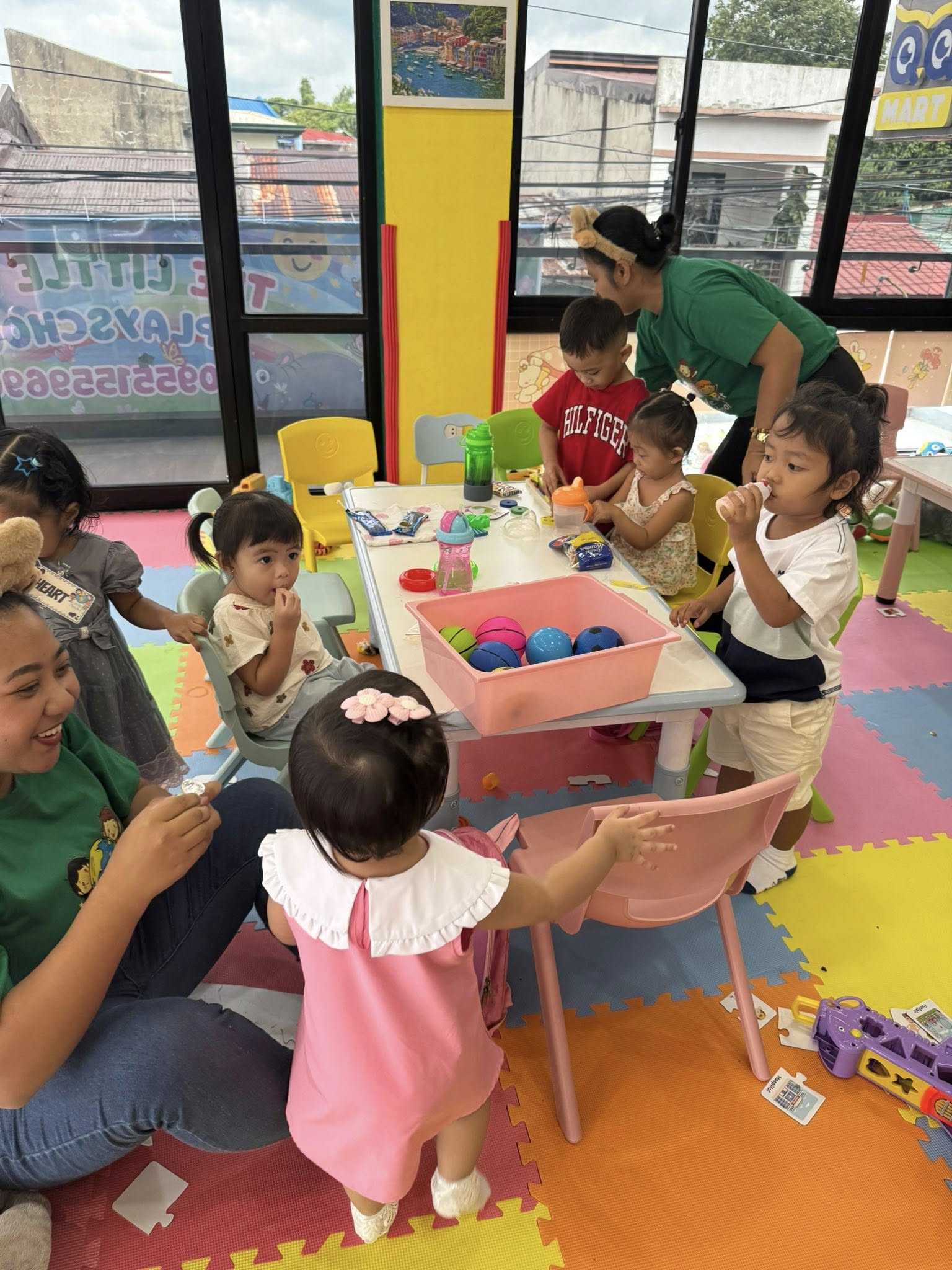
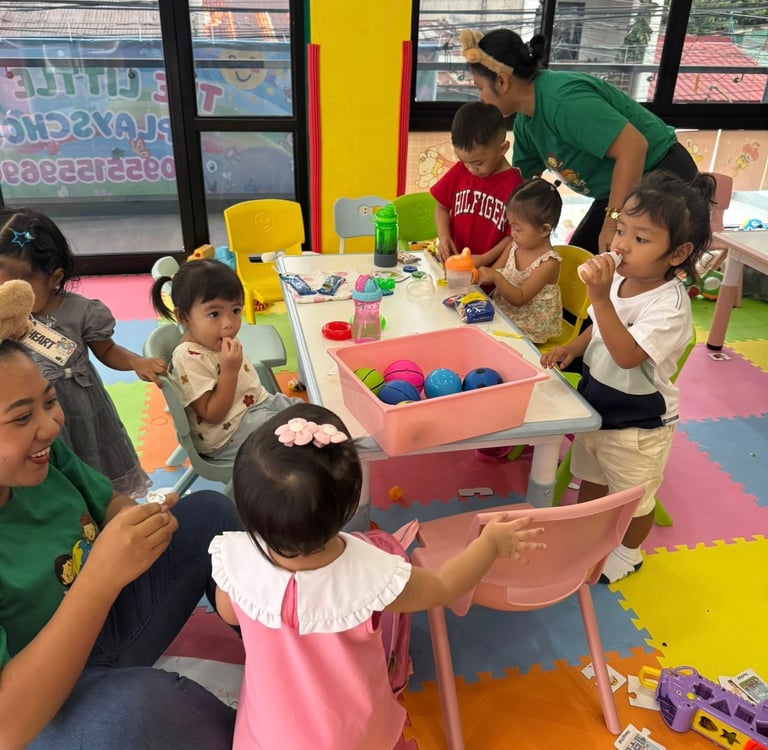
At The Little Nest Playschool, we understand that social skills are just as important as academic skills in early childhood. Learning to interact positively with peers, communicate effectively, and manage emotions lays the foundation for successful relationships, collaboration, and lifelong learning. Developing these skills during the preschool years helps children build confidence, empathy, and resilience.
Why Social Skills Matter
Social skills are critical for both school readiness and overall development. Children who can interact positively with others are more likely to:
Form friendships and build relationships
Resolve conflicts peacefully
Collaborate and work in groups
Express emotions appropriately
Develop empathy and understanding of others
At The Little Nest Playschool, social skill development is woven into every part of the day, from structured lessons to playtime and group activities.
Key Social Skills for Preschoolers
Some essential social skills children develop at this age include:
Sharing and Turn-Taking: Learning to share toys or materials and wait for a turn teaches patience and cooperation.
Communication Skills: Using words to express needs, thoughts, and feelings encourages effective verbal interaction.
Empathy and Understanding: Recognizing and responding to the feelings of others builds compassion and emotional intelligence.
Conflict Resolution: Learning to solve disagreements with guidance helps children manage frustrations and practice problem-solving.
Cooperation: Working together in group activities strengthens teamwork and a sense of community.
How The Little Nest Playschool Encourages Social Skills
At The Little Nest Playschool, we create a supportive environment where children can practice and develop these skills:
Structured Lessons: Short, interactive lessons provide opportunities for children to work together, listen, and take turns.
Free Play: Even brief 10-minute free play sessions allow children to negotiate roles, share ideas, and collaborate creatively.
Snack Time: Shared meals teach children social manners, patience, and cooperation in a relaxed setting.
Group Activities: Circle time, storytime, and music sessions encourage participation, listening, and teamwork.
Teachers observe and guide interactions, providing support when needed and celebrating positive social behaviors.
The Role of Teachers
Teachers at The Little Nest Playschool play a key role in helping children develop social skills by:
Modeling polite communication, empathy, and cooperation
Prompting children to express feelings using words
Guiding problem-solving and conflict resolution
Encouraging teamwork in games and activities
Reinforcing positive behavior through praise and encouragement
This guidance helps children learn social norms while feeling safe and supported.
Social Skills at Home
Parents can reinforce social development at home by:
Encouraging sharing and turn-taking during playdates or family activities
Practicing polite communication and listening skills
Role-playing social scenarios to help children handle conflicts
Providing opportunities for group play with peers, siblings, or family members
Discussing feelings and teaching empathy by talking about emotions
Consistency between school and home helps children feel confident in social interactions.
Benefits of Strong Social Skills
Children with well-developed social skills tend to:
Feel more confident and secure in new situations
Build friendships more easily
Navigate challenges and conflicts effectively
Work well in group settings and cooperate with others
Develop empathy and understanding of different perspectives
At The Little Nest Playschool, fostering social skills ensures children are prepared not only for school but also for positive lifelong interactions.
Integrating Social Skills with Play and Learning
Play is a powerful tool for social learning. At The Little Nest Playschool, children develop social skills naturally through:
Collaborative games where children share and take turns
Imaginative play that encourages cooperation and role-playing
Problem-solving activities that require teamwork and negotiation
Group discussions and circle time to practice listening and expressing ideas
Through guided play and structured activities, children learn to interact positively, resolve conflicts, and celebrate the successes of others.
Conclusion
Building social skills is an essential part of early childhood development. At The Little Nest Playschool, children are provided with a safe, supportive, and engaging environment to practice sharing, communication, empathy, and cooperation. By integrating social learning into every aspect of the day—from lessons and play to snack time and group activities—children develop confidence, resilience, and the ability to form meaningful relationships.
Strong social skills give children the tools to navigate challenges, collaborate effectively, and thrive both in school and in life. At The Little Nest Playschool, we celebrate every step of this journey, helping children grow into confident, empathetic, and socially capable individuals.
📞 Call: 0945 291 9906
💬 Message: m.me/TheLittleNestPlayschoolMainBranch
📘 Facebook: facebook.com/TheLittleNestPlayschoolMainBranch
✉️ Email: admin@thelittle-nest.com
© 2025. All rights reserved.