Developing Early Math Skills Through Play
Early math skills can be fun! Learn how The Little Nest Playschool uses hands-on play, counting, sorting, and patterns to help children develop problem-solving, critical thinking, and confidence while fostering a lifelong love of learning.
The Little Nest Playschool
1/26/20263 min read
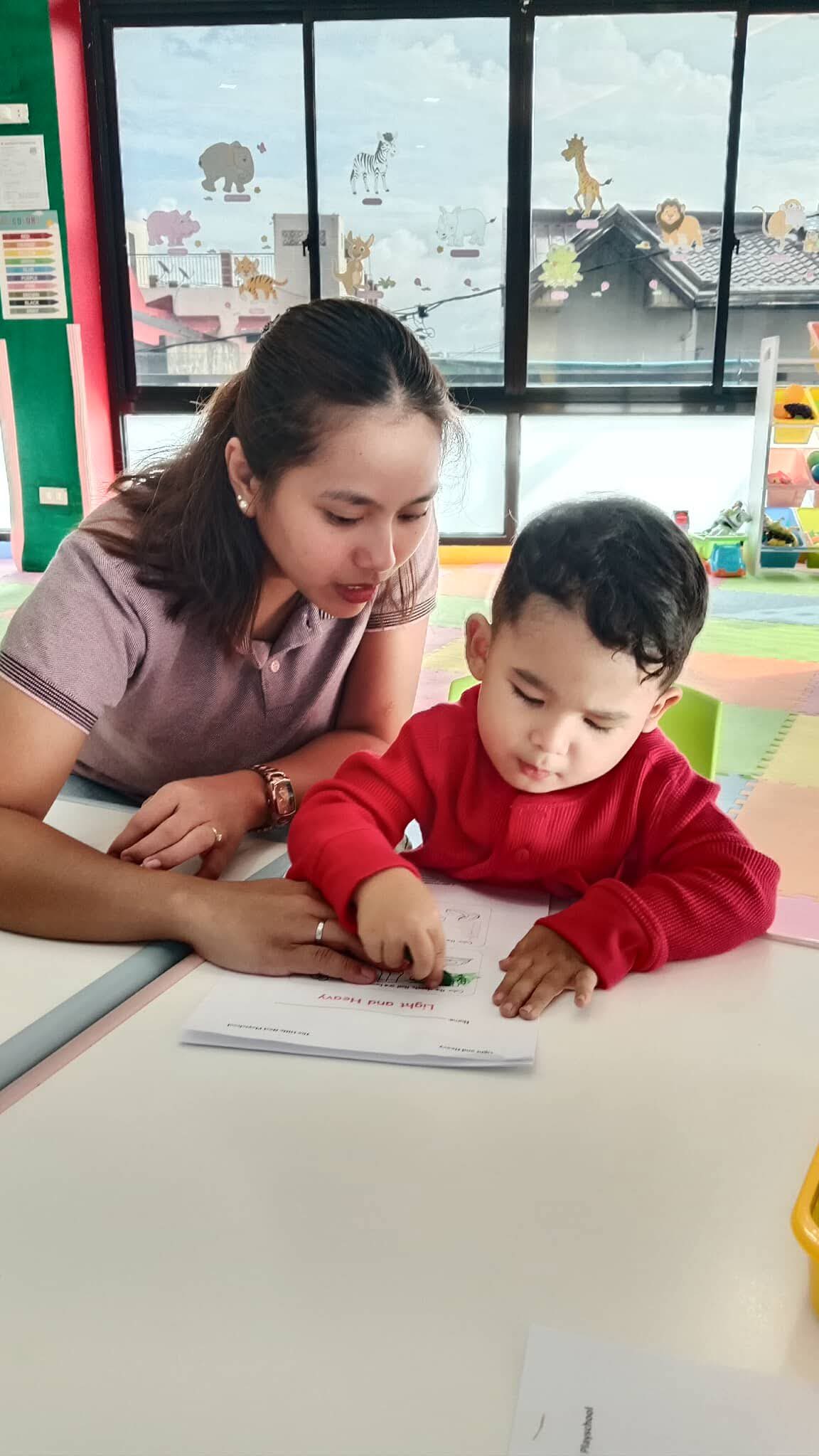
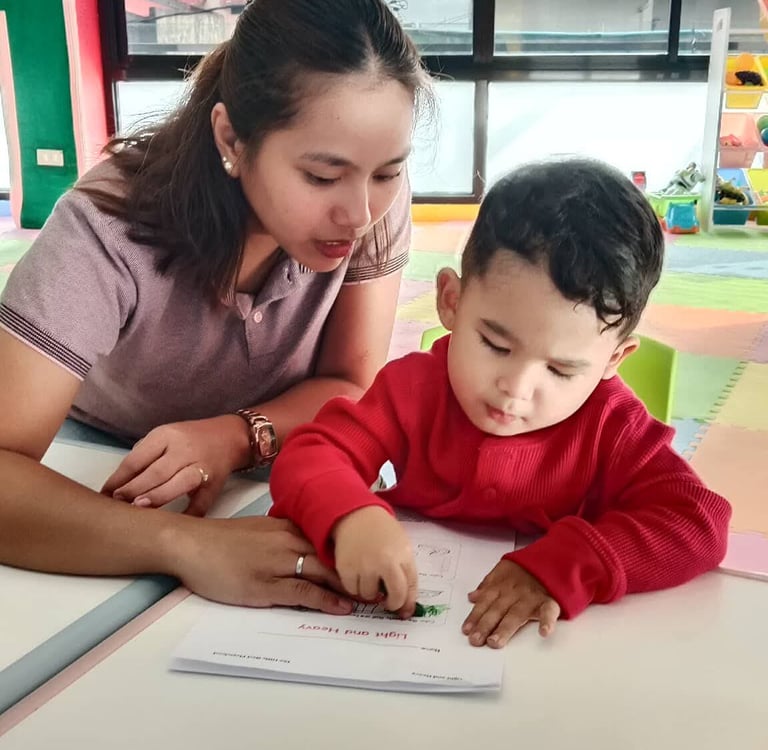
At The Little Nest Playschool, we believe that math learning begins long before children start formal school. Early math skills, such as counting, sorting, recognizing shapes, and understanding patterns, form the foundation for problem-solving and critical thinking. The best way to teach these concepts is through playful, hands-on activities that engage children and make learning fun.
Why Early Math Skills Matter
Mathematical thinking is about more than numbers—it’s about understanding relationships, patterns, and problem-solving. Developing early math skills helps children:
Build cognitive skills: Recognize patterns, sequences, and relationships.
Develop problem-solving abilities: Approach challenges logically and creatively.
Gain confidence: Feel capable when exploring numbers and shapes.
Prepare for school success: Early exposure to math lays the groundwork for later academic learning.
At The Little Nest Playschool, we integrate math into everyday activities so children learn naturally while having fun.
Learning Math Through Play
Young children learn best when they can touch, manipulate, and explore. At The Little Nest Playschool, we use playful, hands-on experiences to introduce math concepts in ways that are engaging and meaningful.
Some examples include:
Counting Games: Children count objects such as blocks, beads, or toys. Singing counting songs or using number charts reinforces recognition.
Sorting and Classifying: Sorting toys by color, size, or shape teaches children to notice similarities and differences—a key mathematical skill.
Shape Recognition: Puzzles, building blocks, and drawing activities help children identify and describe shapes in their environment.
Pattern Activities: Using beads, blocks, or stamps, children create patterns and sequences, enhancing logical thinking and observation skills.
By incorporating math into play, children develop skills naturally without feeling pressured or overwhelmed.
Integrating Math Into Daily Routines
Math can be found in everyday activities, and The Little Nest Playschool uses daily routines to reinforce these concepts:
Snack Time: Counting crackers, pouring drinks, or dividing portions introduces numbers and measurement.
Physical Activity: Hopscotch, jumping on numbered squares, or counting steps adds movement to math practice.
Art and Craft: Creating patterns with colors, shapes, or stamps introduces early geometry concepts.
Storytime: Reading books that include counting, shapes, or problem-solving encourages mathematical thinking in a narrative context.
These small, consistent experiences help children see that math is part of the world around them.
Hands-On Learning Materials
At The Little Nest Playschool, teachers use a variety of materials to support early math learning:
Blocks and Building Sets: Encourage counting, measurement, and spatial awareness.
Manipulatives: Beads, buttons, and counting bears provide tactile learning experiences.
Number Cards and Puzzles: Introduce symbols and reinforce numerical recognition.
Interactive Games: Board games and group activities teach counting, turn-taking, and simple strategy.
Hands-on materials engage multiple senses, helping children understand abstract concepts more easily.
Encouraging Problem-Solving and Critical Thinking
Math play is not just about memorizing numbers—it’s about learning to think logically and creatively. At The Little Nest Playschool, children are encouraged to explore solutions, test ideas, and make predictions. For example:
“If I add one more block, what will happen to my tower?”
“How many red blocks and blue blocks do I have?”
“Can we make a pattern using squares and triangles?”
This type of inquiry-based learning builds confidence, curiosity, and resilience.
The Role of Teachers
Teachers at The Little Nest Playschool observe children’s play closely and guide them toward learning opportunities. They ask open-ended questions, model problem-solving, and provide encouragement, helping children make connections between play and math concepts. For example:
Asking, “How many pieces do we need to make the pattern?”
Suggesting, “Can you sort these shapes by size?”
Praising effort with, “You counted all the blocks correctly!”
Guided play ensures children are challenged while still feeling supported and motivated.
Making Math Fun
The most important aspect of early math is enjoyment. Children are naturally curious and motivated when learning is playful, hands-on, and meaningful. At The Little Nest Playschool, math is integrated seamlessly into daily activities, from counting snack items to exploring patterns in art projects. This playful approach helps children develop confidence, creativity, and a love for learning—skills that will last a lifetime.
Conclusion
Early math skills are the building blocks for future learning, and play is the most effective way to teach them. At The Little Nest Playschool, children explore counting, shapes, sorting, and patterns through interactive, hands-on activities. By combining structured lessons with playful exploration, we create an environment where children develop mathematical thinking naturally, confidently, and joyfully.
Through playful learning, children not only acquire math skills—they also develop problem-solving abilities, logical thinking, and a love for discovery that will support them for years to come. At The Little Nest Playschool, every block stacked, every pattern created, and every number counted is a step toward building a strong, confident, and curious learner.
📞 Call: 0945 291 9906
💬 Message: m.me/TheLittleNestPlayschoolMainBranch
📘 Facebook: facebook.com/TheLittleNestPlayschoolMainBranch
✉️ Email: admin@thelittle-nest.com
© 2025. All rights reserved.