
Encouraging Curiosity and Questions in Preschoolers
Curiosity drives learning! Discover how The Little Nest Playschool encourages preschoolers to ask questions, explore, and experiment, helping them develop critical thinking, problem-solving, creativity, and a lifelong love of discovery.
The Little Nest Playschool
3/2/20263 min read
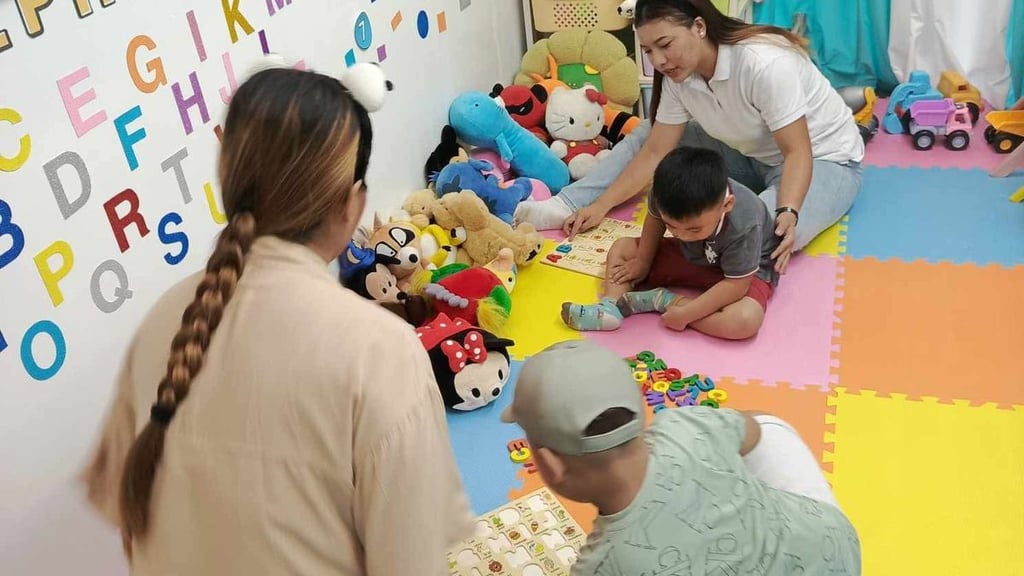
At The Little Nest Playschool, curiosity is at the heart of learning. Young children are naturally inquisitive, constantly asking questions, exploring their surroundings, and experimenting to understand the world. Encouraging this curiosity not only makes learning enjoyable but also builds essential skills like critical thinking, problem-solving, and creativity. By fostering a love of discovery, The Little Nest Playschool helps children develop into confident, lifelong learners.
Why Curiosity Matters
Curiosity is a powerful driver of learning. When children are encouraged to ask questions and explore:
Critical thinking develops: Children learn to observe, analyze, and make connections.
Problem-solving skills grow: Experimentation and questioning teach children to test ideas and find solutions.
Confidence builds: Children gain pride in discovering answers and sharing ideas.
Creativity flourishes: Curiosity inspires imagination and innovation.
A love of learning forms: Early positive experiences with exploration create a foundation for future academic success.
At The Little Nest Playschool, we view each question a child asks as an opportunity to guide learning and encourage exploration.
Fostering Curiosity in Daily Activities
Curiosity can be nurtured throughout the day, integrated naturally into routines and lessons:
Arrival: Children are greeted and given opportunities to explore materials, ask questions about their surroundings, or share observations.
Physical Activity: Movement-based games can include questions like “What happens if we jump higher?” or “How can we move to balance on one foot?” to spark curiosity.
Lesson Time: Short, focused lessons invite children to ask “why” and “how” questions while exploring letters, numbers, shapes, or nature concepts.
Snack Time: Teachers can prompt discussions about colors, tastes, and textures, encouraging children to notice differences and ask questions.
Free Play: Even brief 10-minute play sessions allow children to investigate toys, experiment with blocks, or role-play, all while asking questions about cause-and-effect and problem-solving.
By integrating curiosity into everyday moments, The Little Nest Playschool ensures children develop the habit of asking questions and seeking answers.
Encouraging Questions and Exploration
Teachers at The Little Nest Playschool foster curiosity by:
Asking open-ended questions: “What do you notice?” or “What do you think will happen if…?” encourages deeper thinking.
Listening carefully: Valuing children’s questions and responses reinforces their desire to explore.
Providing materials for experimentation: Blocks, art supplies, and manipulatives allow children to test ideas hands-on.
Modeling curiosity: Teachers demonstrate excitement about learning by asking questions themselves and exploring answers together with the children.
This approach shows children that questions are valuable and that exploration is a key part of learning.
Supporting Curiosity at Home
Parents play an essential role in nurturing curiosity. Simple strategies include:
Encourage questions and discuss answers together
Explore new environments like parks, markets, or museums and talk about observations
Provide materials for hands-on exploration, such as art supplies, puzzles, or science kits
Celebrate effort and discovery, even if the answer is not immediately clear
Model curiosity by expressing interest in learning new things alongside your child
These practices reinforce what children experience at The Little Nest Playschool, helping them feel confident in exploring and learning.
The Cognitive and Emotional Benefits of Curiosity
Encouraging curiosity supports multiple areas of development:
Cognitive: Children learn to analyze, compare, predict, and problem-solve.
Social: Asking questions and exploring with peers fosters collaboration, communication, and empathy.
Emotional: Children gain confidence, resilience, and a sense of accomplishment through discovery.
At The Little Nest Playschool, curiosity is not just encouraged—it is celebrated as a vital part of learning.
Creating a Culture of Curiosity
By fostering a culture where questions are welcomed, exploration is supported, and mistakes are seen as learning opportunities, The Little Nest Playschool helps children develop a mindset that values discovery. Teachers guide children to find answers, experiment with possibilities, and share observations, nurturing skills that will benefit them throughout life.
Even small daily moments—a question about why a block tower fell, or curiosity about a new color—become opportunities for growth, building a strong foundation for critical thinking, creativity, and lifelong learning.
Conclusion
Curiosity is the engine of learning. At The Little Nest Playschool, children are encouraged to ask questions, explore, and experiment, developing essential cognitive, social, and emotional skills. By nurturing curiosity in lessons, play, and daily routines, we help children become confident, creative, and inquisitive learners.
Fostering curiosity today prepares preschoolers to be lifelong explorers tomorrow. At The Little Nest Playschool, every question asked and every discovery made is a step toward building confident, capable, and joyful learners who are excited about the world around them.
📞 Call: 0945 291 9906
💬 Message: m.me/TheLittleNestPlayschoolMainBranch
📘 Facebook: facebook.com/TheLittleNestPlayschoolMainBranch
✉️ Email: admin@thelittle-nest.com
© 2025. All rights reserved.