Encouraging Early Literacy Skills in Preschoolers
Building a love of reading starts early! Discover how The Little Nest Playschool encourages preschoolers to explore letters, sounds, stories, and writing, developing early literacy skills, confidence, and a lifelong passion for learning.
The Little Nest Playschool
3/9/20263 min read
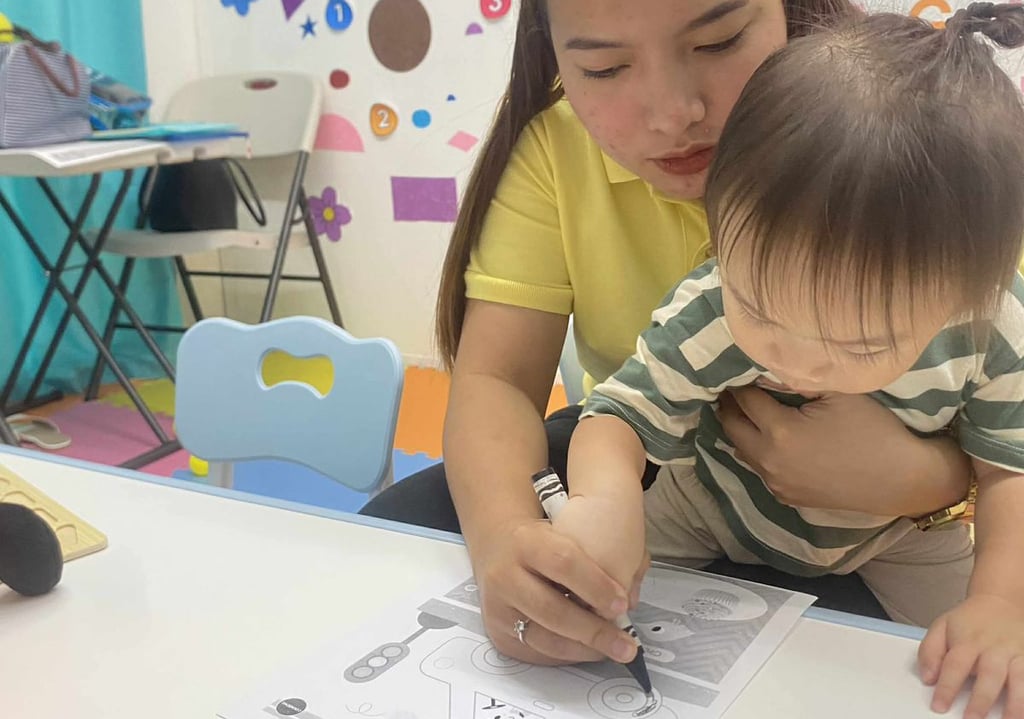
At The Little Nest Playschool, early literacy is a key part of our curriculum. Literacy skills—such as recognizing letters, understanding sounds, and developing vocabulary—form the foundation for reading, writing, and effective communication. By nurturing these skills in preschoolers, we help children build confidence, language abilities, and a love of learning that will benefit them throughout their education.
Why Early Literacy Matters
Early literacy is essential for several reasons:
Reading Readiness: Children who develop early literacy skills are better prepared for formal reading instruction.
Language Development: Engaging with books, stories, and letters expands vocabulary and comprehension.
Cognitive Skills: Literacy activities encourage critical thinking, memory, and pattern recognition.
Communication: Learning to express ideas through words and stories supports social interaction and self-expression.
Confidence and Motivation: Mastery of letters, sounds, and early reading builds self-esteem and enthusiasm for learning.
At The Little Nest Playschool, we integrate literacy into daily lessons and activities to make learning fun, interactive, and meaningful.
How The Little Nest Playschool Encourages Literacy
We use a variety of activities to develop literacy skills:
Storytelling and Read-Alouds: Teachers read aloud from age-appropriate books, encouraging children to listen, ask questions, and predict what happens next. Storytelling also helps children understand narrative structure and develop imagination.
Letter Recognition: Children are introduced to letters through songs, games, and tactile activities, helping them recognize shapes and sounds.
Phonics and Sound Games: Activities that emphasize letter sounds, rhyming words, and syllables help children connect letters to sounds, a key step in learning to read.
Writing Practice: Simple writing exercises, such as tracing letters, drawing shapes, or labeling pictures, develop fine motor skills and early writing abilities.
Interactive Literacy Activities: Games, puzzles, and matching exercises make learning letters, words, and sounds engaging and memorable.
By incorporating these strategies into daily routines, The Little Nest Playschool ensures children experience literacy in a playful, hands-on way.
Integrating Literacy Into Daily Routines
At The Little Nest Playschool, literacy is woven throughout the day:
Lesson Time: Short, focused lessons introduce new letters, sounds, or vocabulary words.
Free Play: Children engage with alphabet blocks, picture books, and writing materials during 10-minute play sessions.
Snack Time: Conversations about food, colors, and shapes expand vocabulary and encourage descriptive language.
Story Time: Reading together builds comprehension, listening skills, and imagination.
This integration helps children see literacy as part of everyday life, rather than isolated from their experiences.
The Role of Teachers
Teachers at The Little Nest Playschool guide literacy development by:
Modeling reading and writing behaviors
Encouraging participation in storytelling and discussions
Providing hands-on opportunities for letter recognition, writing, and phonics
Celebrating progress and effort to build confidence
Their guidance ensures that every child can engage with literacy in a way that suits their individual learning pace.
Supporting Literacy at Home
Parents can reinforce early literacy skills with simple strategies:
Read aloud daily and discuss the story together
Encourage children to recognize letters in their environment, such as on signs or packaging
Provide materials for drawing, tracing, and writing
Play rhyming and sound games to strengthen phonics awareness
Ask open-ended questions to encourage storytelling and comprehension
Consistent literacy practice at home complements what children learn at The Little Nest Playschool, building confidence and curiosity in reading and writing.
The Cognitive and Social Benefits of Early Literacy
Developing literacy skills supports more than just reading. Children gain:
Cognitive Skills: Improved memory, attention, and problem-solving abilities
Language Skills: Expanded vocabulary and stronger communication
Social Skills: Ability to participate in group discussions and share ideas
Confidence: Pride in reading, writing, and expressing themselves creatively
By nurturing early literacy, The Little Nest Playschool prepares children for future academic success and lifelong learning.
Conclusion
Early literacy is a cornerstone of preschool education. At The Little Nest Playschool, children explore letters, sounds, stories, and writing through fun, interactive, and hands-on activities. These experiences build confidence, language skills, cognitive abilities, and a love of learning.
Encouraging early literacy today sets the stage for reading, writing, and communication success tomorrow. At The Little Nest Playschool, every story read, letter traced, and word explored helps children grow into curious, confident, and capable learners.
📞 Call: 0945 291 9906
💬 Message: m.me/TheLittleNestPlayschoolMainBranch
📘 Facebook: facebook.com/TheLittleNestPlayschoolMainBranch
✉️ Email: admin@thelittle-nest.com
© 2025. All rights reserved.