Encouraging Independence in Young Children
Encourage independence in your preschooler with simple, everyday strategies! Learn how Little Nest Playschool helps children build confidence, problem-solving skills, and responsibility through age-appropriate tasks, routines, and playful learning experiences.
The Little Nest Playschool
1/12/20263 min read
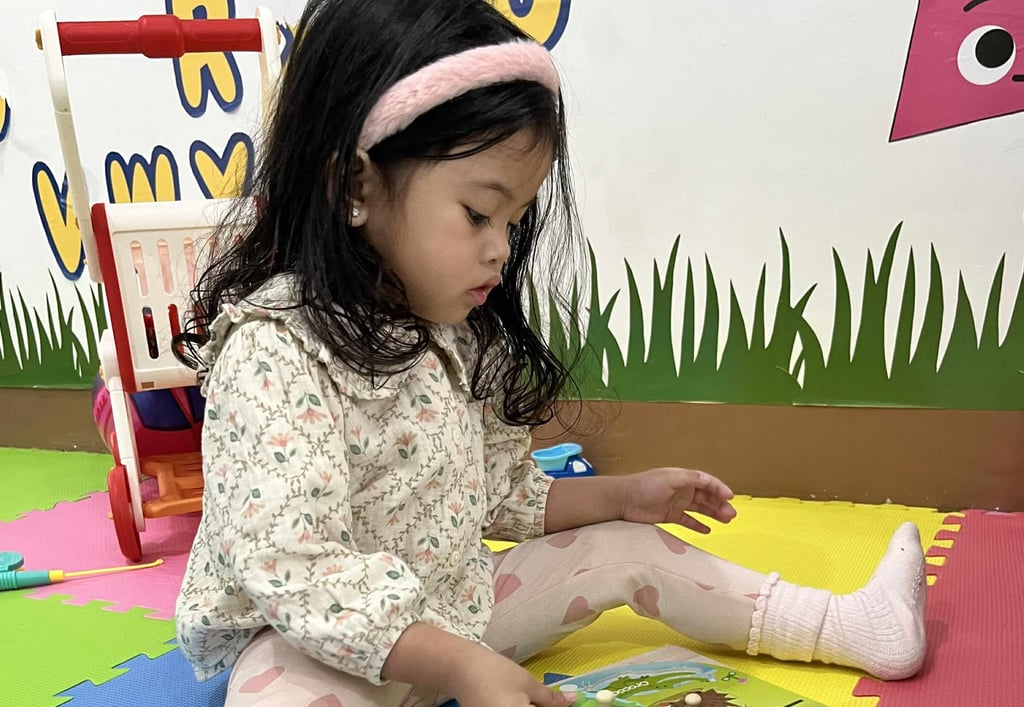
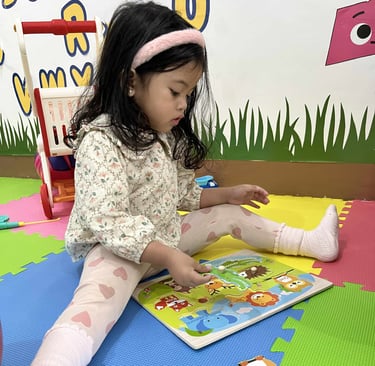
One of the most important skills children develop during their early years is independence. At Little Nest Playschool, we believe that fostering independence in young children helps them gain confidence, problem-solving abilities, and a sense of responsibility that will benefit them throughout life. When children are encouraged to do things for themselves, even in small ways, they build self-esteem and learn that their actions can make a difference.
Why Independence Matters
Independence isn’t just about doing tasks alone—it’s about helping children develop the skills and confidence to navigate the world. Encouraging independence supports:
Self-confidence: Children feel proud when they accomplish tasks on their own.
Problem-solving skills: Independent activities teach children to think creatively and find solutions.
Responsibility: Children learn to take care of their belongings and make choices.
Social and emotional growth: Independent children are more resilient and adaptable in social situations.
Fostering independence at a young age sets the stage for lifelong learning and success, both academically and personally.
Creating Opportunities for Independence at School
At Little Nest, our daily routines are designed to help children practice independence in age-appropriate ways. Some examples include:
Arrival and hometime routines: Children hang up their bags, put on shoes, or gather their belongings themselves.
Snack time: Children serve themselves small portions, pour drinks, and clean up afterward.
Classroom responsibilities: Children take turns helping with simple tasks like tidying up or distributing materials.
Free play and lesson activities: Children make choices about what to play, explore, or create, guided by teachers.
By offering consistent opportunities for independence, children learn to take initiative, make decisions, and take pride in their accomplishments.
Encouraging Independence at Home
Parents can reinforce independence with simple, everyday activities. Here are some practical strategies:
Self-Care Tasks
Encourage children to dress themselves, brush their teeth, or wash hands with minimal help. Even if it takes longer or isn’t perfect, the act of trying builds confidence.Chores and Responsibilities
Assign age-appropriate chores such as putting toys away, helping set the table, or watering plants. These activities teach children responsibility and help them understand that their contributions matter.Choice-Making Opportunities
Offer choices whenever possible, like picking an outfit, selecting a snack, or deciding which activity to do first. Making small decisions helps children feel empowered and develop decision-making skills.Problem-Solving Encouragement
When children face a challenge, guide them to think of solutions rather than immediately solving the problem for them. For example, if a puzzle piece doesn’t fit, ask, “What else could we try?” This promotes critical thinking and resilience.
Balancing Guidance and Freedom
Encouraging independence doesn’t mean leaving children completely on their own. Young children still need support, guidance, and boundaries. The key is offering assistance only when necessary while giving them the space to try, explore, and succeed.
Teachers at Little Nest carefully observe children, stepping in when safety is a concern or when guidance is needed, but otherwise allowing children to take the lead. This balance helps children develop confidence while learning that it’s okay to ask for help when needed.
The Role of Praise and Encouragement
Positive reinforcement is essential in encouraging independence. Praise effort rather than just outcomes. Statements like:
“I love how you tried to pour your own drink!”
“You did a great job putting away your toys!”
“You figured out how to build that tower all by yourself!”
Such feedback reinforces the child’s sense of capability and motivates them to continue practicing independence.
Independence and Social Skills
Independent children are often more confident in social situations. They can communicate needs, share responsibility, and cooperate with peers effectively. By learning to manage small tasks independently, children gain the self-assurance to interact positively with others, negotiate, and take turns—skills that are crucial for success in the classroom and beyond.
Building a Strong Foundation
Encouraging independence is not about rushing children to grow up—it’s about providing them with the tools, confidence, and support to handle age-appropriate challenges. At Little Nest Playschool, every lesson, activity, and routine is an opportunity to help children develop independence while still feeling safe, supported, and guided by caring teachers.
Children who are encouraged to be independent learn to take initiative, adapt to new situations, solve problems, and feel proud of their accomplishments. These skills create a strong foundation for lifelong learning and self-confidence.
Conclusion
Independence is a vital part of early childhood development, and fostering it requires patience, guidance, and consistent opportunities. By creating supportive environments at school and at home, providing age-appropriate challenges, and offering praise and encouragement, parents and teachers can help children develop confidence, responsibility, and problem-solving skills.
At Little Nest Playschool, our routines, activities, and lessons are designed to nurture independence while keeping learning fun, engaging, and playful. Encouraging independence today helps children grow into capable, confident, and resilient learners tomorrow.
📞 Call: 09551559696
💬 Message: m.me/TheLittleNestPlayschoolMainBranch
📘 Facebook: facebook.com/TheLittleNestPlayschoolMainBranch
✉️ Email: admin@thelittle-nest.com
© 2025. All rights reserved.