Fostering Creativity in Preschoolers
Creativity is key to early learning! Discover how The Little Nest Playschool nurtures imagination, problem-solving, and self-expression through art, music, storytelling, and play, helping children build confidence, curiosity, and a lifelong love of learning.
The Little Nest Playschool
2/2/20263 min read
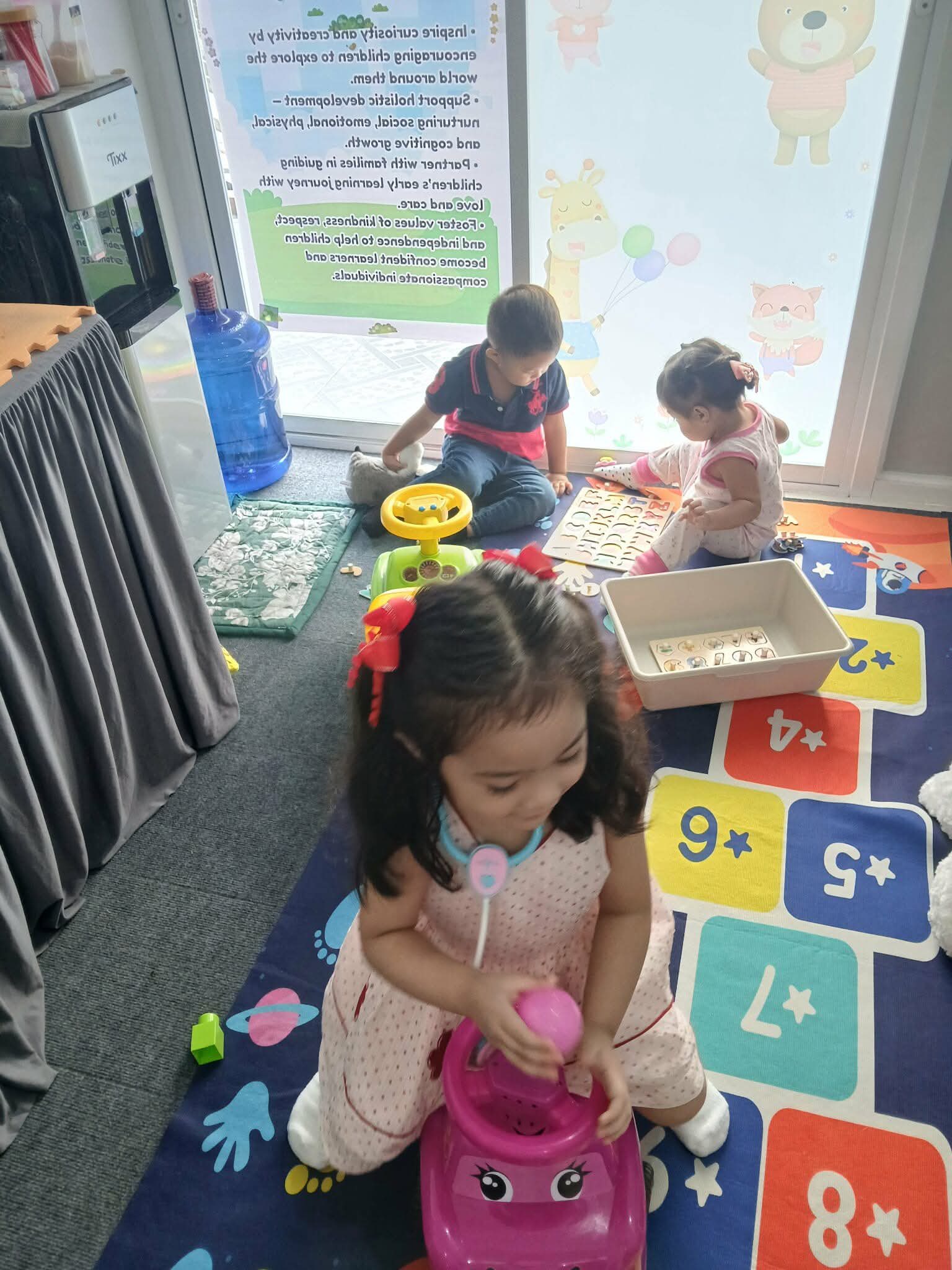
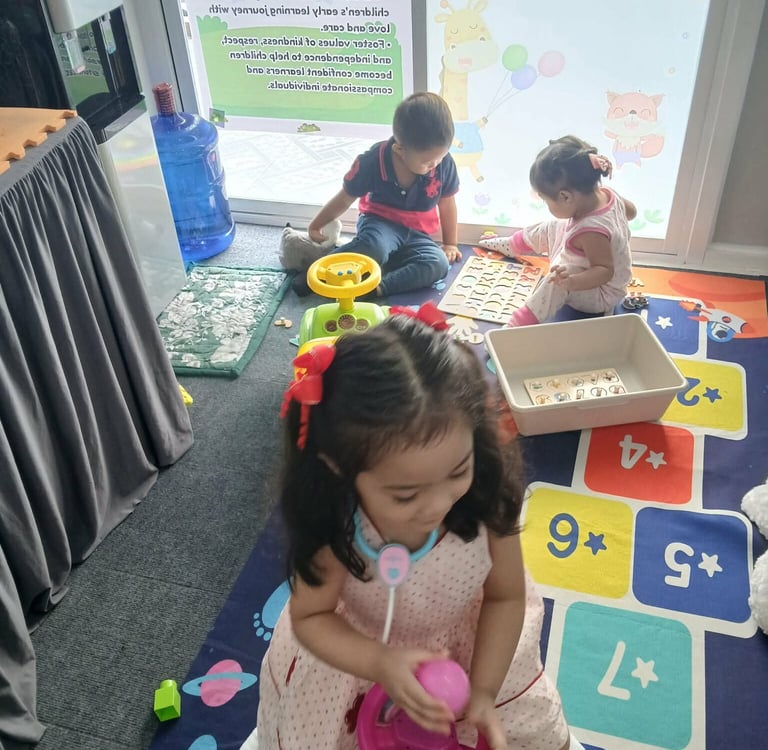
At The Little Nest Playschool, creativity is a vital part of every child’s development. Encouraging children to think imaginatively, explore new ideas, and express themselves creatively helps build problem-solving skills, confidence, and emotional intelligence. Creativity is not limited to art; it extends to storytelling, music, movement, and even everyday problem-solving. By fostering creativity, we help children develop a lifelong love of learning and discovery.
Why Creativity Matters
Creativity is essential for early childhood development because it:
Encourages problem-solving: Children learn to approach challenges in new ways.
Builds confidence: Expressing ideas freely boosts self-esteem.
Enhances emotional expression: Children communicate feelings through creative activities.
Supports cognitive development: Imaginative play helps children make connections and think critically.
Fosters curiosity: Creative experiences encourage children to explore and experiment.
At The Little Nest Playschool, creativity is integrated into every part of the day, from structured lessons to free play.
Creative Activities at The Little Nest Playschool
We use a variety of activities to nurture creativity in preschoolers:
Art and Craft: Drawing, painting, sculpting with clay, and collaging allow children to explore colors, shapes, and textures. These activities not only develop fine motor skills but also give children a safe space to express ideas.
Music and Movement: Singing, dancing, and playing instruments help children develop rhythm, coordination, and self-expression. Music also provides opportunities for group collaboration and listening skills.
Storytelling and Dramatic Play: Imaginative play with costumes, puppets, or role-playing scenarios allows children to explore emotions, practice language, and develop social skills. Creating their own stories fosters narrative skills and creativity.
Problem-Solving Challenges: Activities such as building with blocks, designing obstacle courses, or creating simple constructions encourage children to think critically and experiment with solutions.
Exploration and Discovery: Children are encouraged to explore materials, nature, and everyday objects creatively, asking questions and experimenting with possibilities.
Integrating Creativity Into Daily Routines
At The Little Nest Playschool, we integrate creativity into every part of the day:
Lesson Time: Lessons incorporate hands-on activities, imaginative scenarios, or creative problem-solving.
Free Play: Even brief 10-minute free play sessions provide opportunities for children to express themselves independently.
Snack and Group Activities: Activities like making patterns with food items, singing together, or collaborative art projects reinforce creativity while building social skills.
By embedding creativity in all parts of the day, children learn to think flexibly and express themselves naturally.
The Role of Teachers
Teachers at The Little Nest Playschool guide and support creative exploration by:
Providing a variety of materials and tools for self-expression
Encouraging children to try new ideas and experiment without fear of “mistakes”
Asking open-ended questions like “What else could we try?” or “How would you like to do it?”
Celebrating originality and effort rather than focusing solely on the final product
This approach nurtures confidence, curiosity, and independent thinking.
Fostering Creativity at Home
Parents can extend creative learning beyond the classroom with simple strategies:
Offer materials for open-ended play: Crayons, paper, clay, and building blocks encourage exploration.
Encourage imaginative storytelling: Let your child make up stories or act out scenarios with toys.
Include music and movement: Singing, dancing, or playing instruments together enhances creativity.
Ask open-ended questions: “How could we build this differently?” or “What do you think will happen if…?” encourages problem-solving and imagination.
By supporting creativity at home, parents reinforce the skills and confidence that children develop at school.
Benefits of a Creative Mindset
Children who are encouraged to be creative develop:
Flexibility: The ability to approach challenges in new ways
Confidence: Belief in their ability to express ideas
Resilience: Learning that mistakes are part of the creative process
Communication Skills: Expressing thoughts, feelings, and ideas effectively
Collaboration Skills: Working with peers during group activities or projects
At The Little Nest Playschool, creativity is not just an activity—it is a mindset that permeates learning and daily experiences.
Conclusion
Fostering creativity in preschoolers is essential for building confident, curious, and capable learners. At The Little Nest Playschool, every art project, song, story, and play activity is an opportunity to explore, experiment, and express individuality. By encouraging creative thinking, both at school and at home, children develop problem-solving skills, emotional intelligence, and a lifelong love of discovery.
Creativity helps children navigate the world with curiosity, imagination, and confidence. At The Little Nest Playschool, we celebrate each child’s unique ideas, supporting them as they learn to explore, express, and innovate in ways that will serve them for years to come.
📞 Call: 0945 291 9906
💬 Message: m.me/TheLittleNestPlayschoolMainBranch
📘 Facebook: facebook.com/TheLittleNestPlayschoolMainBranch
✉️ Email: admin@thelittle-nest.com
© 2025. All rights reserved.