Helping Preschoolers Develop Emotional Intelligence
Emotional intelligence is essential for young learners! Learn how The Little Nest Playschool helps preschoolers recognize, express, and manage emotions, build empathy, and develop social skills, supporting confidence, resilience, and positive relationships.
The Little Nest Playschool
2/16/20263 min read
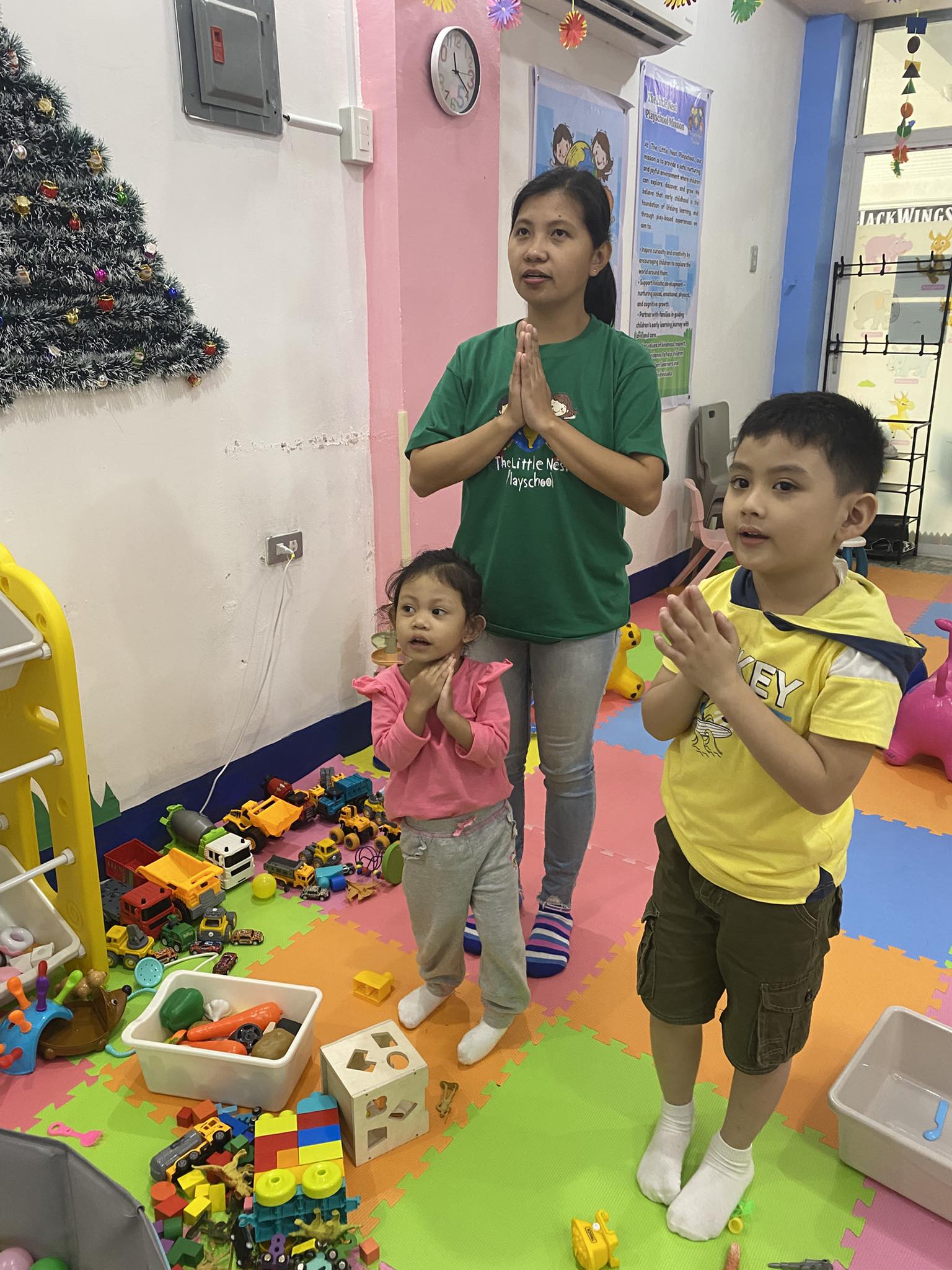
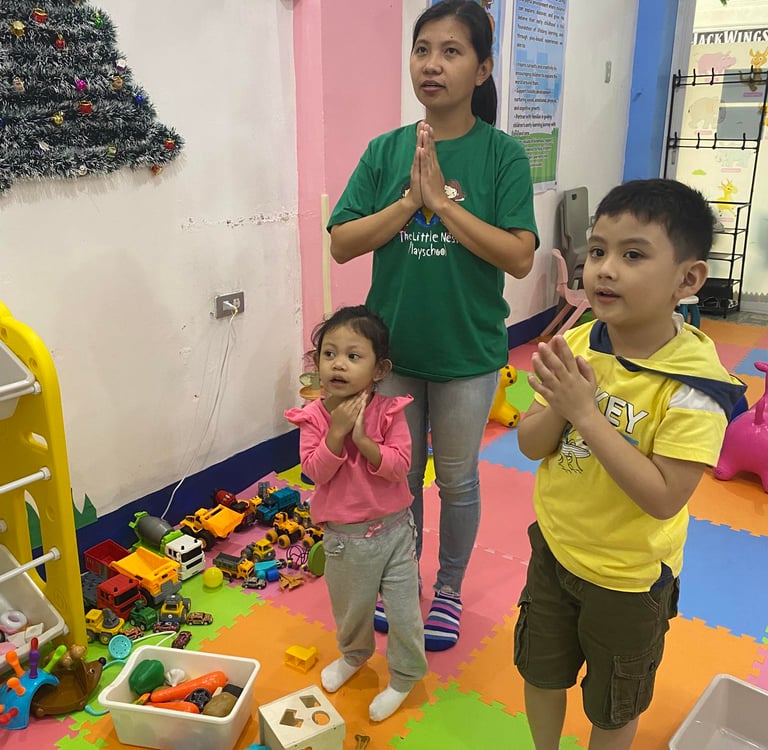
At The Little Nest Playschool, we understand that emotional development is just as important as academic growth. Emotional intelligence—the ability to recognize, understand, and manage one’s own emotions, as well as empathize with others—is a foundational skill that helps children build relationships, manage challenges, and succeed both socially and academically.
Why Emotional Intelligence Matters
Developing emotional intelligence in preschoolers is essential because it helps children:
Recognize and label their own feelings
Respond appropriately to emotions in themselves and others
Build positive relationships with peers and adults
Manage frustrations, anger, and disappointment
Develop empathy, kindness, and compassion
At The Little Nest Playschool, we focus on creating a safe, supportive environment where children can explore their emotions, practice self-regulation, and learn how to express themselves in healthy ways.
Key Components of Emotional Intelligence
Emotional intelligence in young children includes several core skills:
Self-Awareness: Understanding their own emotions and recognizing how feelings influence behavior.
Self-Regulation: Learning to manage strong emotions, impulses, and reactions appropriately.
Empathy: Understanding and responding to the feelings of others.
Social Skills: Communicating effectively, cooperating with peers, and resolving conflicts peacefully.
Motivation: Being encouraged to try new things and stay persistent even when tasks are challenging.
Fostering these skills early provides children with the tools they need to navigate both social and academic challenges successfully.
How The Little Nest Playschool Supports Emotional Intelligence
At The Little Nest Playschool, emotional development is embedded in daily routines, lessons, and play:
Morning Arrival: Teachers greet children warmly, helping them transition smoothly and feel secure.
Structured Lessons: Teachers integrate activities that require turn-taking, collaboration, and expression of thoughts or feelings.
Free Play: Short periods of imaginative or cooperative play give children opportunities to negotiate, share, and resolve conflicts naturally.
Snack Time: Children practice patience, manners, and communication while interacting with peers.
Storytime and Discussions: Reading stories about characters’ emotions encourages children to identify feelings and discuss appropriate responses.
By embedding emotional learning in everyday experiences, children learn to manage their feelings and build positive relationships consistently.
Practical Strategies for Emotional Learning
Teachers at The Little Nest Playschool use practical strategies to help children develop emotional intelligence:
Labeling Emotions: Helping children put words to feelings, e.g., “I see you are feeling frustrated because the puzzle is tricky.”
Role-Playing: Practicing scenarios like sharing toys or comforting a friend teaches empathy and problem-solving.
Positive Reinforcement: Praising efforts to manage emotions or show kindness reinforces desired behavior.
Calm-Down Techniques: Introducing strategies such as deep breathing, quiet corners, or guided relaxation helps children learn self-regulation.
Modeling Behavior: Teachers demonstrate appropriate emotional responses, helping children learn by example.
These strategies make emotional skills tangible and understandable for young learners.
Supporting Emotional Intelligence at Home
Parents play a vital role in reinforcing emotional development:
Encourage children to talk about their feelings and experiences
Model calm, respectful communication and problem-solving
Use books or stories to discuss emotions and empathy
Praise effort in expressing feelings appropriately and helping others
Create routines that provide security and predictability, supporting self-regulation
Consistent guidance at home and school helps children develop a strong foundation in emotional intelligence.
Benefits of Emotional Intelligence
Children with well-developed emotional skills are more likely to:
Form positive friendships and relationships
Navigate social challenges with confidence
Cope with stress and frustration effectively
Exhibit empathy and kindness toward others
Approach learning with confidence and curiosity
At The Little Nest Playschool, fostering emotional intelligence ensures children not only succeed academically but also thrive socially and emotionally.
Conclusion
Emotional intelligence is a critical component of early childhood development. At The Little Nest Playschool, we focus on helping children recognize, express, and manage their emotions while building empathy, social skills, and self-confidence. By integrating emotional learning into daily routines, lessons, and play, children develop the tools they need to navigate challenges, build positive relationships, and enjoy a lifetime of learning.
Helping preschoolers develop emotional intelligence today prepares them for a confident, compassionate, and resilient tomorrow. At The Little Nest Playschool, we celebrate every child’s emotional growth as an essential part of their journey toward becoming happy, capable, and socially aware learners.
📞 Call: 0945 291 9906
💬 Message: m.me/TheLittleNestPlayschoolMainBranch
📘 Facebook: facebook.com/TheLittleNestPlayschoolMainBranch
✉️ Email: admin@thelittle-nest.com
© 2025. All rights reserved.