How to Help Your Toddler Make Friends
Helping toddlers make friends is an important part of early development. Discover practical tips and strategies from Little Nest Playschool on encouraging sharing, empathy, communication, and confidence, so your child can build meaningful friendships while having fun.
The Little Nest Playschool
12/15/20253 min read
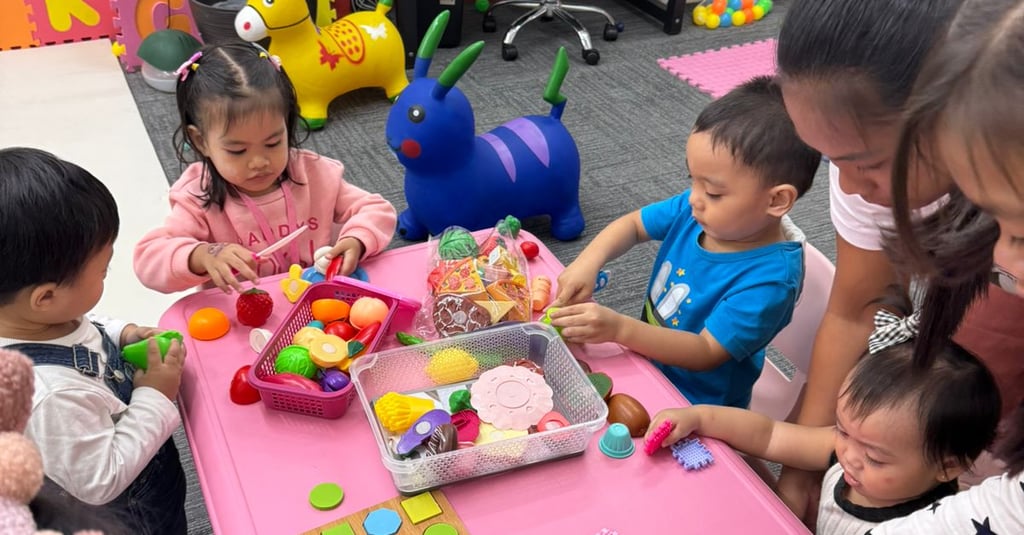
Making friends is an essential part of a child’s early development. At Little Nest Playschool, we know that social skills—like sharing, cooperation, empathy, and communication—are just as important as learning letters, numbers, or colors. While some toddlers naturally gravitate toward others, many need gentle guidance and support to build friendships. Parents play a key role in helping children navigate these early social experiences, and there are simple, effective strategies you can use at home to encourage positive social interactions.
Why Friendships Matter
Friendships in early childhood are more than just playdates. They help children:
Develop communication and language skills
Learn to manage emotions and resolve conflicts
Build empathy and understanding of others’ feelings
Develop confidence and independence
Practice cooperation, turn-taking, and problem-solving
When children learn to interact positively with peers, they carry these skills into the classroom, playground, and eventually, school and life. At Little Nest, we see every day how children grow socially, and how even small steps toward friendship can have a big impact.
Start with Guided Play
Toddlers often need structure and gentle guidance to navigate social interactions. Guided play is one of the best ways to help them practice these skills. Here’s how you can encourage it:
Set up small play sessions: Invite one or two children for short, supervised playdates. Smaller groups reduce overwhelm and give toddlers a chance to interact meaningfully.
Provide shared toys or activities: Activities like building blocks, drawing together, or simple games encourage cooperation and turn-taking.
Model social behavior: Show your child how to greet, share, and ask questions. Narrate what you’re doing: “I’m giving the block to Mia. Now she can build her tower too.”
By participating alongside your toddler, you’re teaching them social skills while reinforcing positive interactions.
Teach Simple Social Words and Phrases
Toddlers are still learning how to express themselves, and language plays a crucial role in friendship. Teaching simple words and phrases helps children communicate needs and feelings effectively.
Some examples include:
“Can I play?”
“Your turn”
“Please” and “Thank you”
“I like your toy”
Practice these phrases at home during play or daily routines. Role-playing can also help toddlers understand how to interact politely and confidently with peers.
Encourage Empathy and Sharing
Friendships thrive when children understand and care about others’ feelings. You can help toddlers develop empathy by:
Labeling emotions: “I see your friend is sad because the tower fell.”
Encouraging perspective-taking: “How do you think she feels?”
Praising acts of kindness: “You shared your toy—your friend is happy now!”
Sharing is often a challenge for toddlers, but it’s a critical skill for friendships. Offer opportunities for small acts of sharing, and celebrate successes, no matter how minor.
Create Routine Social Opportunities
Regular exposure to peers helps toddlers practice social skills consistently. Consider:
Attending toddler playgroups or classes like Little Nest’s programs
Scheduling weekly playdates
Encouraging participation in small community events or activities
Consistency helps children feel comfortable in social settings, reducing anxiety and increasing confidence over time.
Respect Individual Temperaments
Every toddler is unique, and some children may be naturally shy or slower to warm up to others. Respect their pace and provide gentle encouragement without pushing too hard. For example:
Allow shy children to observe before joining in
Encourage participation in parallel play (playing alongside, not necessarily with, another child)
Celebrate small steps, like saying “hi” or handing a toy to a peer
By honoring each child’s temperament, you build trust and help them develop friendships in a way that feels safe and comfortable.
Use Positive Reinforcement
Encouragement goes a long way in helping toddlers feel confident socially. Praise specific behaviors rather than general statements. For example:
“You waited for your friend’s turn—that was very kind.”
“You asked to play with the puzzle nicely.”
Avoid pressuring children to make friends. Instead, reinforce the small social successes that naturally lead to stronger relationships.
The Role of Teachers and Classroom Environment
At Little Nest Playschool, teachers play a key role in supporting social development. Our structured environment, play-based activities, and small group interactions create countless opportunities for toddlers to practice friendship skills. Teachers observe, guide, and intervene when necessary, helping children learn problem-solving, turn-taking, and cooperation.
Classroom routines such as group songs, collaborative art projects, and shared clean-up activities are designed to encourage social interaction and build confidence in a supportive setting.
Conclusion: Helping Toddlers Build Lifelong Social Skills
Making friends is a journey, and toddlers benefit most from gentle guidance, consistent practice, and a supportive environment. By creating opportunities for guided play, teaching simple social phrases, encouraging empathy and sharing, respecting individual temperaments, and reinforcing positive behaviors, parents can help their children develop essential social skills that last a lifetime.
At Little Nest Playschool, we combine structured lessons, play-based learning, and nurturing guidance to help children thrive socially, emotionally, and academically. Friendships formed here are built on confidence, curiosity, and kindness—foundations that will support your child both in school and beyond.
By practicing these strategies at home and supporting your toddler’s social growth, you’re helping them develop the confidence, empathy, and communication skills needed to create meaningful friendships that will enrich their early years and beyond.
📞 Call: 09551559696
💬 Message: m.me/TheLittleNestPlayschoolMainBranch
📘 Facebook: facebook.com/TheLittleNestPlayschoolMainBranch
✉️ Email: admin@thelittle-nest.com
© 2025. All rights reserved.