The Benefits of Short, Focused Lessons for Preschoolers
Discover why short, focused lessons are ideal for preschoolers! Learn how brief, hands-on, and interactive activities at Little Nest Playschool keep children engaged, build confidence, and make learning fun while supporting social, emotional, and academic growth.
The Little Nest Playschool
12/29/20253 min read

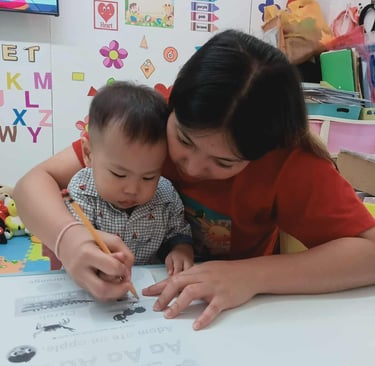
At Little Nest Playschool, we understand that young children have short attention spans, which is why we design our lessons to be brief, focused, and highly interactive. Preschoolers thrive when learning is engaging, hands-on, and fun, and short lessons allow children to absorb concepts without feeling overwhelmed. By structuring learning in this way, we help children develop foundational skills while fostering confidence, curiosity, and a love for learning.
Why Short Lessons Work
Research shows that preschool-aged children can typically focus on a single task for only about 10–15 minutes. Trying to extend their attention beyond this window can lead to frustration, boredom, or disengagement. Short, focused lessons:
Match children’s natural attention spans
Keep learning fun and interactive
Encourage active participation
Allow children to retain information more effectively
At Little Nest, we take advantage of these brief attention spans by creating lessons that are meaningful, hands-on, and dynamic.
Active Learning Keeps Children Engaged
One key element of short lessons is active learning. Children learn best when they are moving, touching, and interacting rather than sitting passively. Our lessons often incorporate:
Hands-on activities with blocks, beads, or other manipulatives
Music, movement, and action songs
Interactive games that teach letters, numbers, or shapes
Role-playing or pretend play to reinforce concepts
By keeping lessons active and playful, children are able to focus, understand, and remember what they are learning without feeling pressured.
Variety Helps Retention
Short lessons also allow teachers to introduce a variety of activities within a single class. For example, a morning at Little Nest might include:
Lesson 1: 15 minutes of a letter or number activity
Snack time: 15 minutes for social and self-care skills
Free play: 10 minutes for creative exploration
Lesson 2: 15 minutes of a hands-on science or sorting activity
This rotation keeps children interested and engaged, and the mix of activities helps reinforce learning in different ways. Changing the focus frequently allows children to experience new concepts, practice skills, and apply knowledge in fun, meaningful ways.
Building Confidence Through Small Wins
Short, focused lessons give children the opportunity to experience success quickly and often. Completing a small activity or mastering a new concept in a brief time frame boosts confidence and motivation. Children feel accomplished, proud, and ready to tackle the next challenge.
For example, a child who successfully identifies shapes or colors in a 15-minute lesson may feel confident to participate in the next activity. These small victories are key to building a positive attitude toward learning and fostering a growth mindset from an early age.
Supporting Individual Learning Needs
Every child learns at their own pace, and short lessons make it easier for teachers to differentiate instruction. Teachers can adjust activities to match each child’s abilities, provide extra support for those who need it, and extend challenges for advanced learners. This flexibility ensures that all children stay engaged and make progress without feeling frustrated or left behind.
At Little Nest, teachers observe children closely during lessons, noting strengths, interests, and areas for growth. This allows lessons to be tailored and keeps each child motivated and successful.
Promoting Positive Classroom Behavior
Short lessons also help maintain a calm and focused classroom environment. Preschoolers are less likely to become restless or distracted when activities are brief and structured. The clear start and end of each lesson provide a sense of routine and predictability, which is reassuring for young learners.
Teachers can seamlessly transition from one activity to another—moving from lesson to snack, play, or another short lesson—keeping children engaged while teaching valuable social skills like patience, cooperation, and following directions.
Encouraging Lifelong Learning
Perhaps the most important benefit of short, focused lessons is that they foster a love of learning. When children experience lessons as fun, engaging, and achievable, they develop curiosity and excitement about new concepts. They learn that learning isn’t a chore—it’s something enjoyable, rewarding, and part of everyday life.
At Little Nest Playschool, short lessons combined with playful exploration help children develop foundational academic skills while also building social-emotional abilities, creativity, and confidence. By creating a positive association with learning early on, we prepare children to be motivated, independent learners for years to come.
Conclusion
Short, focused lessons are a cornerstone of effective early childhood education. They respect children’s natural attention spans, keep learning engaging and interactive, provide frequent opportunities for success, and support individual learning needs. By using brief, dynamic, and hands-on lessons, Little Nest Playschool ensures that every child is focused, confident, and excited to learn.
In our classrooms, learning is always active, meaningful, and fun—helping children develop the skills, curiosity, and love for learning that will serve them well throughout their educational journey.
📞 Call: 09551559696
💬 Message: m.me/TheLittleNestPlayschoolMainBranch
📘 Facebook: facebook.com/TheLittleNestPlayschoolMainBranch
✉️ Email: admin@thelittle-nest.com
© 2025. All rights reserved.