The Benefits of Short, Structured Physical Activities for Preschoolers
Movement matters! Discover how The Little Nest Playschool uses short, structured physical activities to help preschoolers build motor skills, coordination, confidence, and social-emotional development, keeping learning active, fun, and engaging.
The Little Nest Playschool
2/23/20263 min read
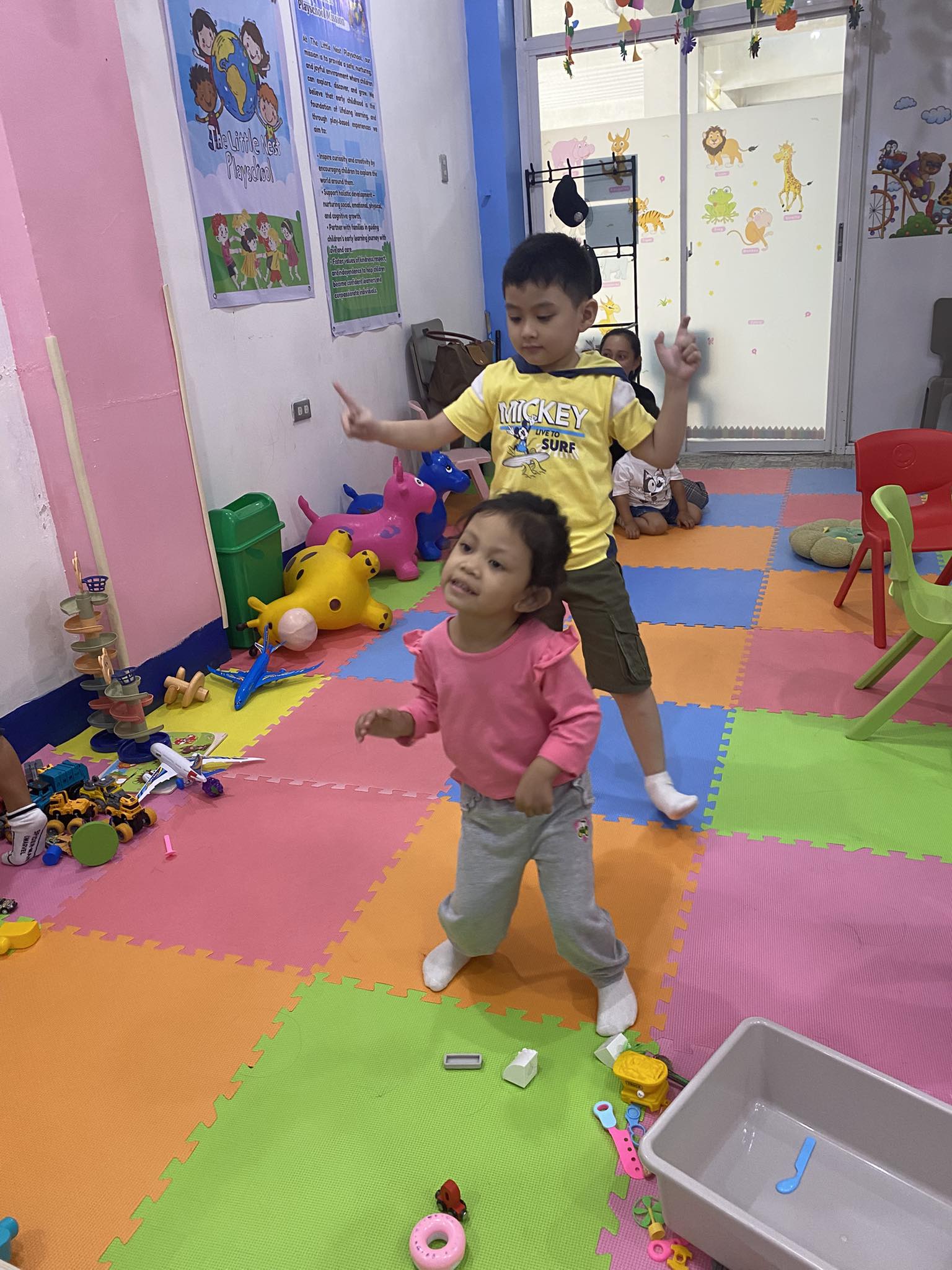
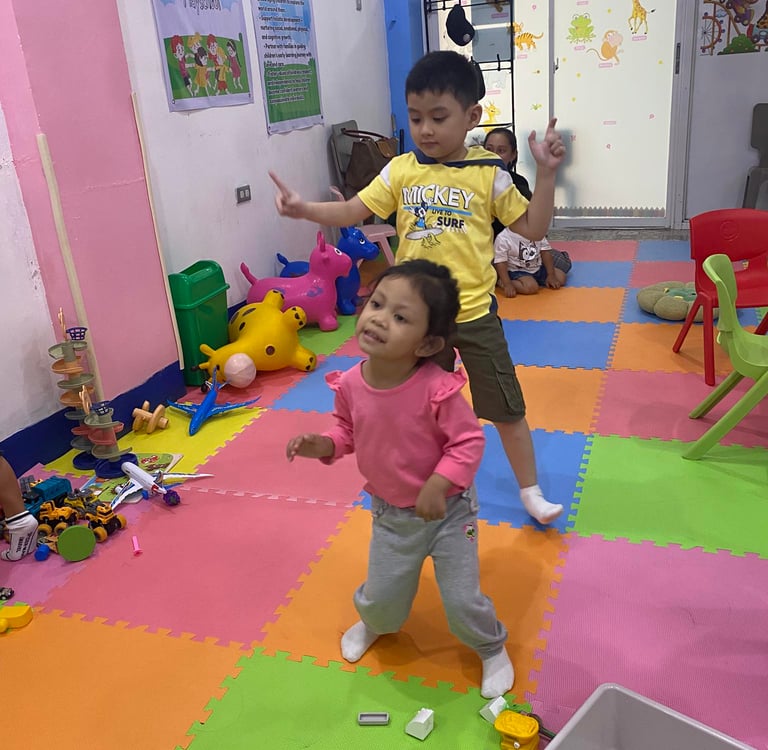
At The Little Nest Playschool, physical activity is a key part of our daily routine. We understand that young children need opportunities to move, explore, and develop their bodies as part of healthy growth. Short, structured physical activities help preschoolers develop motor skills, coordination, and strength, while also supporting cognitive, social, and emotional development.
Why Physical Activity Matters
Physical activity in early childhood is essential for overall development. Benefits include:
Gross Motor Development: Activities like running, jumping, climbing, and balancing strengthen muscles and improve coordination.
Fine Motor Skills: Tasks that involve catching, throwing, or using small objects develop hand-eye coordination and dexterity.
Cognitive Benefits: Movement supports brain development, attention, and learning readiness.
Social Skills: Group activities promote cooperation, turn-taking, and teamwork.
Emotional Well-being: Physical activity helps children release energy, manage emotions, and feel confident in their abilities.
At The Little Nest Playschool, we design physical activities to be short, structured, and fun, ensuring that children remain engaged and benefit from each movement session.
Short, Structured Activities for Maximum Impact
Preschoolers have shorter attention spans, so short, focused activities are more effective than long, unstructured sessions. Some examples include:
Movement Songs and Rhymes: Activities like hopping, clapping, or dancing to music help children coordinate movement with rhythm.
Obstacle Courses: Simple courses that involve crawling, jumping, or balancing encourage problem-solving, gross motor skills, and spatial awareness.
Ball Games: Catching, rolling, and kicking balls develop hand-eye coordination, timing, and teamwork.
Stretching and Balance Exercises: Yoga-inspired poses or balance challenges strengthen muscles and improve focus.
Each activity is carefully timed to keep children engaged and allow them to experience success without becoming tired or distracted.
Integrating Physical Activity into Daily Routines
At The Little Nest Playschool, physical activity is part of a balanced day. For example:
Arrival and Morning Movement: Short stretches or movement games help children transition into the day.
Lesson Breaks: Quick physical breaks between lessons refresh children’s minds and bodies.
Structured Play: Outdoor or indoor activities allow children to practice skills in a fun, social environment.
Hometime Transition: Calm stretching or breathing exercises help children transition from active play to a quiet departure.
This balance ensures children stay energized, focused, and ready for learning throughout the day.
Cognitive and Emotional Benefits
Short, structured physical activities not only develop the body—they also support the mind and emotions. Children learn to:
Follow Instructions: Structured activities require listening and following directions, which enhances attention and comprehension.
Problem-Solve: Movement challenges encourage children to plan, adjust, and find solutions.
Manage Emotions: Physical activity provides a healthy outlet for energy and emotions, reducing frustration and supporting self-regulation.
Build Confidence: Mastering new movements or activities boosts self-esteem and a sense of accomplishment.
At The Little Nest Playschool, teachers guide children through these activities in a supportive environment, ensuring success and confidence for every child.
Social Benefits
Group physical activities help children develop social skills such as cooperation, turn-taking, and teamwork. At The Little Nest Playschool, children learn to:
Work together during team-based games
Encourage and support peers
Celebrate achievements of themselves and others
Navigate conflicts respectfully during competitive or cooperative games
These experiences help children build positive relationships and practice empathy in a fun, active setting.
The Role of Teachers
Teachers at The Little Nest Playschool play a key role in facilitating physical activity. They:
Design activities appropriate for age and skill level
Demonstrate movements and provide encouragement
Monitor safety and provide gentle guidance
Celebrate effort and improvement rather than just success
This approach ensures that all children enjoy and benefit from physical activities, regardless of skill level.
Encouraging Physical Activity at Home
Parents can complement school activities with simple, short exercises at home:
Take walks, run, or play active games together
Set up obstacle courses with safe household items
Encourage dance or movement to music
Provide balls, jump ropes, or other age-appropriate equipment
Consistent opportunities for movement at home and school support healthy growth and overall well-being.
Conclusion
Short, structured physical activities are essential for preschoolers’ development. At The Little Nest Playschool, movement is integrated into every part of the day to support motor skills, cognitive growth, social interaction, and emotional well-being. By providing engaging, age-appropriate activities, we help children stay active, confident, and ready to learn.
Physical activity at The Little Nest Playschool is not just about exercise—it’s about building strong bodies, sharp minds, and confident, capable learners. Every hop, jump, and stretch contributes to a child’s growth, learning, and enjoyment of life.
📞 Call: 0945 291 9906
💬 Message: m.me/TheLittleNestPlayschoolMainBranch
📘 Facebook: facebook.com/TheLittleNestPlayschoolMainBranch
✉️ Email: admin@thelittle-nest.com
© 2025. All rights reserved.