
The Importance of Fine Motor Skills in Preschoolers
Strong hands, confident learners! Discover how The Little Nest Playschool helps preschoolers develop fine motor skills through fun activities like drawing, puzzles, crafts, and practical tasks, building coordination, independence, and early learning readiness.
The Little Nest Playschool
3/16/20263 min read
At The Little Nest Playschool, we understand that fine motor skills are an essential part of early childhood development. These skills involve the small muscles in the hands, fingers, and wrists, and they are critical for tasks such as writing, drawing, buttoning clothes, and using utensils. Developing strong fine motor skills supports independence, coordination, and cognitive growth in preschoolers.
Why Fine Motor Skills Matter
Fine motor skills are fundamental for both daily life and learning:
Writing Readiness: Strong hand and finger muscles help children hold pencils, crayons, and markers effectively.
Self-Care: Skills like buttoning, zipping, and feeding themselves increase independence and confidence.
Cognitive Development: Activities that strengthen fine motor skills also support concentration, problem-solving, and hand-eye coordination.
Creativity and Play: Art, building, and manipulative play encourage exploration, imagination, and experimentation.
Social Interaction: Sharing tools and working together during craft or building activities fosters cooperation and teamwork.
At The Little Nest Playschool, we integrate fine motor skill development into everyday routines and activities to support holistic growth.
How Fine Motor Skills Are Developed
There are many engaging ways to help preschoolers strengthen fine motor skills:
Art and Craft Activities: Drawing, coloring, cutting with child-safe scissors, and gluing encourage hand strength and coordination.
Manipulatives and Puzzles: Using blocks, beads, or pegboards helps children practice precision, grip, and problem-solving.
Sensory Play: Activities like playdough, sand, or water play provide tactile experiences that strengthen hand muscles and coordination.
Practical Life Tasks: Pouring, stirring, buttoning, and zipping build functional skills and independence.
Writing and Tracing: Early practice with tracing letters, shapes, and numbers improves pencil control and prepares children for formal writing.
These activities are short, structured, and playful, allowing children to practice skills while enjoying the learning process.
Integrating Fine Motor Skills Into Daily Routines
At The Little Nest Playschool, fine motor development is woven seamlessly into the day:
Lesson Time: Short activities include tracing, sorting, or using manipulatives.
Free Play: Children can explore blocks, puzzles, and creative materials.
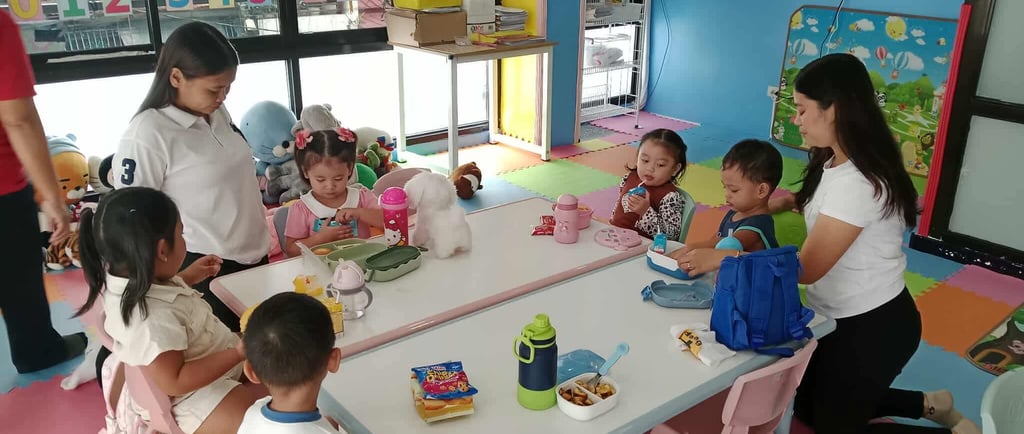
Snack Time: Opening containers, peeling fruit, and pouring drinks strengthen hand coordination.
Physical Activity: Some gross motor exercises, like catching or throwing small balls, complement hand-eye coordination.
By embedding these exercises in daily routines, children develop skills naturally while staying engaged.
Cognitive and Emotional Benefits
Developing fine motor skills supports more than physical ability:
Focus and Concentration: Many fine motor activities require attention to detail and patience.
Problem-Solving: Manipulating objects helps children plan, test ideas, and refine strategies.
Confidence: Mastering tasks like cutting or drawing fosters pride and self-esteem.
Creativity: Using hands to create and explore encourages imagination and independent thinking.
At The Little Nest Playschool, each activity is designed to challenge children appropriately while celebrating their successes.
The Role of Teachers
Teachers at The Little Nest Playschool guide fine motor development by:
Demonstrating proper techniques for holding tools or manipulating objects
Offering guidance and support when children face challenges
Providing a variety of age-appropriate activities to develop strength and dexterity
Encouraging collaboration and communication during group tasks
Their role ensures that children develop fine motor skills in a safe, supportive, and enjoyable environment.
Supporting Fine Motor Skills at Home
Parents can reinforce these skills through simple daily activities:
Encourage drawing, coloring, and simple crafts
Provide puzzles, building blocks, and manipulatives
Involve children in practical tasks like stirring, pouring, or folding
Play games that require hand-eye coordination, like catching or threading beads
Offer opportunities for writing or tracing letters and numbers
These consistent practices help children strengthen their hands and fingers, supporting both independence and learning.
Conclusion
Fine motor skills are a critical part of early childhood development. At The Little Nest Playschool, children strengthen their hands, fingers, and coordination through fun, engaging, and purposeful activities. These skills prepare children for writing, self-care, creativity, and problem-solving, laying the foundation for academic and life success.
By integrating fine motor skill development into lessons, play, and daily routines, The Little Nest Playschool ensures children grow strong, capable, and confident in both learning and life.
📞 Call: 0945 291 9906
💬 Message: m.me/TheLittleNestPlayschoolMainBranch
📘 Facebook: facebook.com/TheLittleNestPlayschoolMainBranch
✉️ Email: admin@thelittle-nest.com
© 2025. All rights reserved.