
The Importance of Naming Emotions
Help children understand their feelings! Learn simple ways to teach preschoolers to identify and name emotions, supporting confidence, empathy, and self-regulation at The Little Nest Playschool.
The Little Nest Playschool
3/26/20261 min read
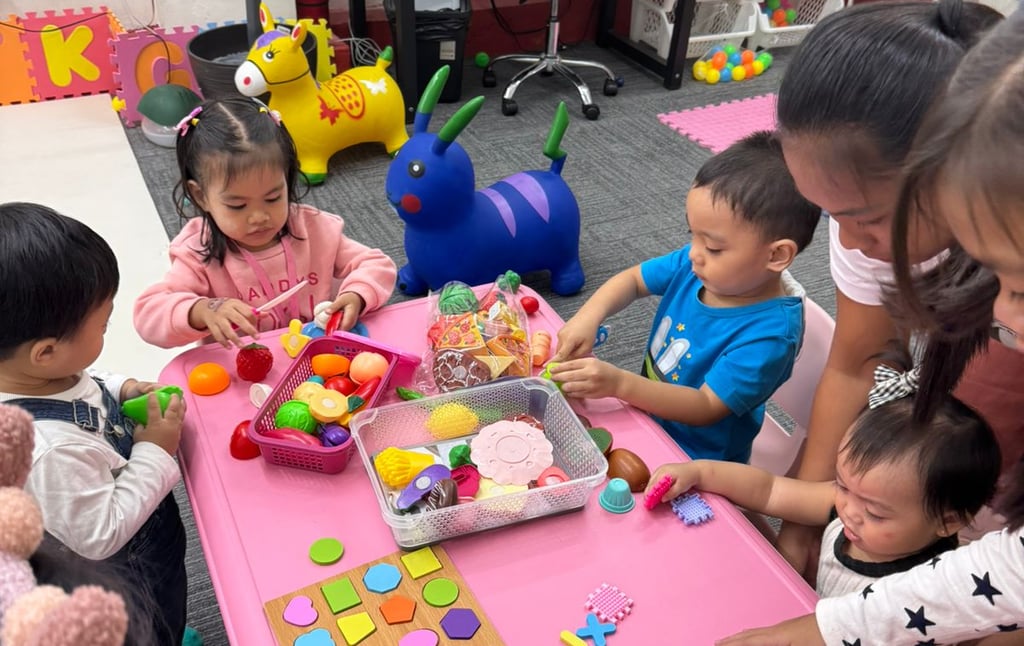
At The Little Nest Playschool, we know that helping preschoolers identify and name their emotions is an important part of social and emotional development. When children can express how they feel, they gain confidence, self-awareness, and the ability to manage their feelings effectively.
One simple way to help children name emotions is to model emotional language. Share your own feelings in words, such as, “I feel happy because the sun is shining” or “I feel frustrated because the puzzle is tricky.” Children learn by example and begin to use similar language to describe their own experiences.
Use books, stories, or pictures to discuss emotions. Ask questions like, “How do you think the character feels?” or “Have you ever felt that way?” This helps children recognize emotions in themselves and others, building empathy and understanding.
Encourage labeling during everyday moments. When a child is upset, frustrated, or excited, gently guide them to name the feeling: “It seems like you feel sad because your toy fell.” Naming emotions gives children tools to communicate rather than act out physically.
At The Little Nest Playschool, we create a supportive environment where children feel safe expressing emotions. Parents can reinforce this at home by using emotional vocabulary, validating feelings, and teaching healthy coping strategies.
By practicing naming emotions, preschoolers gain confidence, self-regulation, and stronger social skills — essential tools for relationships and lifelong learning.
📞 Call: 0945 291 9906
💬 Message: m.me/TheLittleNestPlayschoolMainBranch
📘 Facebook: facebook.com/TheLittleNestPlayschoolMainBranch
✉️ Email: admin@thelittle-nest.com
© 2025. All rights reserved.