The Importance of Play in Early Childhood Learning
Play is essential for early learning! Discover how Little Nest Playschool uses imaginative, physical, and social play to help children develop cognitive, emotional, and social skills, while fostering creativity, confidence, and a lifelong love of learning.
The Little Nest Playschool
1/19/20263 min read
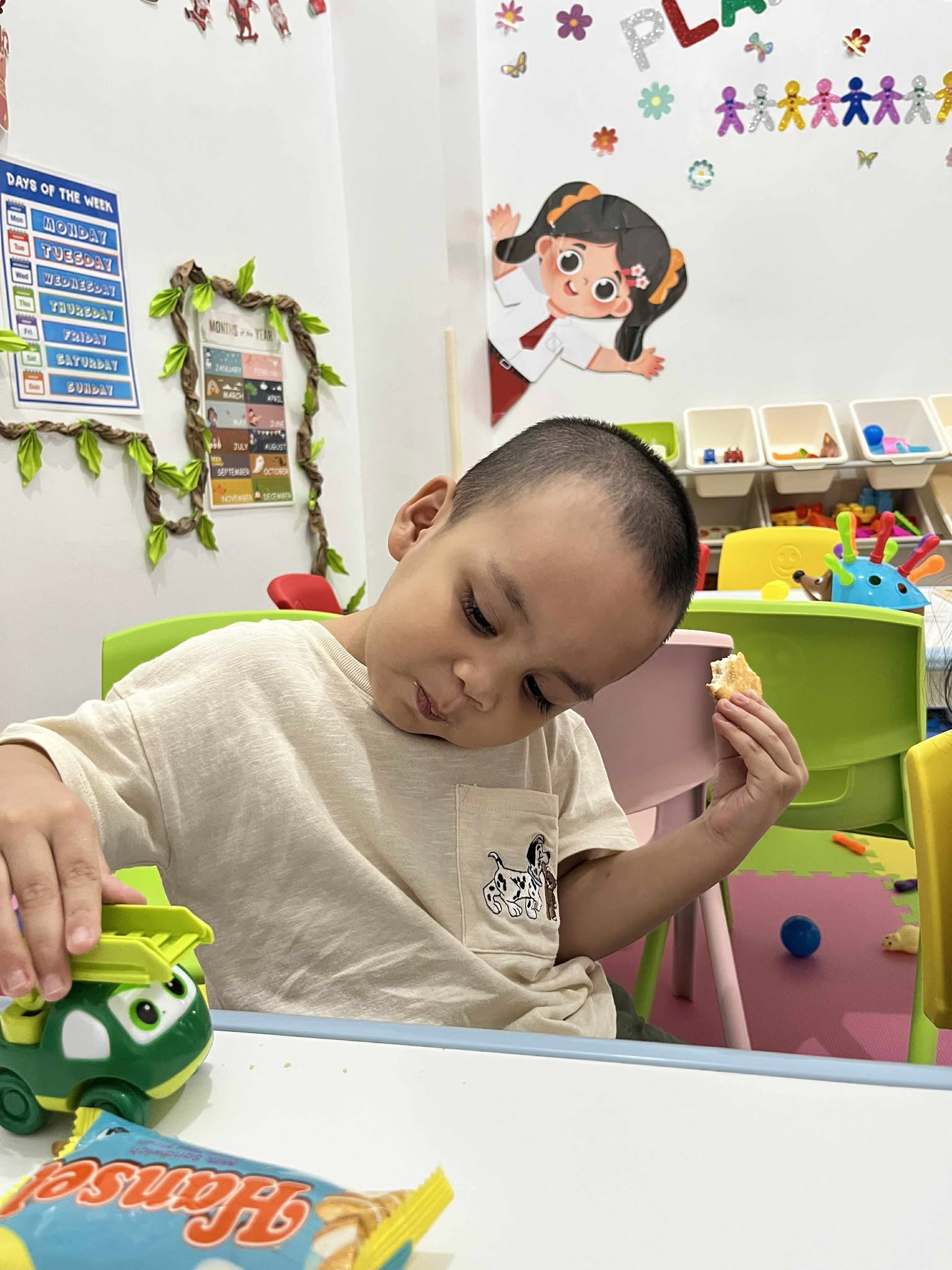
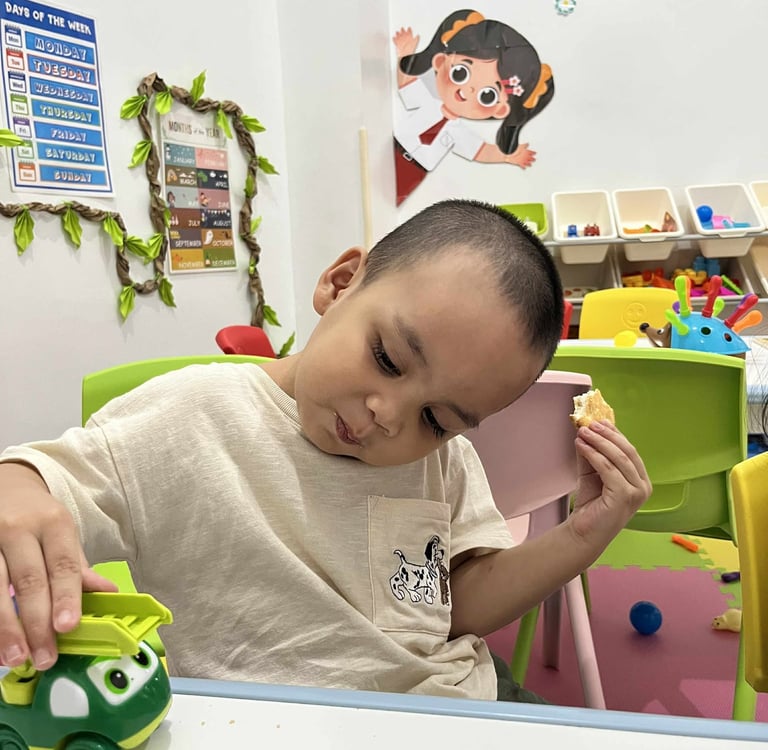
At The Little Nest Playschool, we believe that play is not just fun—it’s fundamental to learning. Play allows children to explore, create, experiment, and interact with the world around them. Through play, young children develop critical cognitive, social, emotional, and physical skills, forming the foundation for lifelong learning.
Why Play Matters
Play is essential in early childhood for several reasons:
Cognitive development: Play encourages problem-solving, critical thinking, and creativity.
Language and communication: Children learn new words, express ideas, and practice conversations during play.
Social-emotional growth: Sharing, cooperation, and empathy are naturally practiced through group activities and pretend play.
Physical development: Running, climbing, and manipulating objects improve fine and gross motor skills.
Curiosity and imagination: Play nurtures curiosity, exploration, and a love of learning.
At The Little Nest Playschool, we integrate play throughout the day, ensuring every child has ample opportunities to learn through joyful, hands-on experiences.
Types of Play in the Classroom
Different types of play target different developmental areas. At The Little Nest Playschool, our classrooms encourage a variety of play styles:
Pretend Play: Dress-up, role-playing, and imaginative scenarios help children understand social roles, practice language skills, and express creativity. For example, a child pretending to be a shopkeeper learns negotiation, cooperation, and communication.
Constructive Play: Building with blocks, assembling puzzles, and creating art projects encourage problem-solving, planning, and fine motor skills. Children learn cause-and-effect and spatial awareness while having fun.
Physical Play: Activities like running, jumping, dancing, and climbing promote gross motor development, coordination, and overall health. Physical play also helps children manage energy, develop confidence, and improve focus for classroom tasks.
Sensory Play: Engaging with sand, water, textures, and tactile materials supports cognitive and emotional development. Sensory experiences allow children to explore the world, refine motor skills, and stimulate curiosity.
Social Play: Playing with peers teaches sharing, empathy, turn-taking, and conflict resolution. Group games and cooperative activities help children build friendships and develop social competence.
Learning Through Play
Play isn’t just entertainment—it’s a powerful tool for learning. Even simple games can teach essential skills:
Sorting toys by color or size reinforces early math concepts.
Singing songs and rhymes improves memory, rhythm, and phonemic awareness.
Role-playing scenarios develop problem-solving and empathy.
At Little Nest, teachers observe children’s play to guide learning. They introduce materials, ask open-ended questions, and encourage children to explore new concepts, making learning feel natural and enjoyable.
Balancing Structured Lessons and Free Play
While short, focused lessons introduce new concepts, free and guided play allows children to apply what they’ve learned. Our daily schedule balances structured activities with play:
Lesson 1: Introduces letters, numbers, or concepts.
Free Play: Children explore and experiment with classroom materials for 10 minutes, reinforcing skills creatively.
Lesson 2: Expands on earlier concepts or introduces new ideas.
This balance ensures children remain engaged, motivated, and excited about learning.
The Role of Teachers in Play
Teachers at Little Nest don’t just supervise play—they actively facilitate and guide it. They observe children’s interests, provide resources, and ask questions that extend thinking. For instance:
Asking “What do you think will happen if…?” encourages problem-solving.
Prompting children to describe their creations builds vocabulary.
Suggesting ways to collaborate promotes teamwork and empathy.
Through this guided approach, play becomes a meaningful, educational experience rather than mere entertainment.
Encouraging Play at Home
Parents can support early learning by providing play opportunities at home:
Offer a variety of toys and materials that encourage creativity.
Allow time for unstructured play where children make their own choices.
Join in play occasionally to model language, problem-solving, and social skills.
Encourage outdoor play to promote physical development and exploration.
Play at home and school complement each other, reinforcing skills and nurturing curiosity.
Conclusion
Play is the cornerstone of early childhood learning. Through imaginative, constructive, physical, sensory, and social play, children develop the skills they need to succeed academically, socially, and emotionally. At The Little Nest Playschool, play is woven into every part of the day, ensuring that learning is joyful, engaging, and meaningful.
By recognizing the importance of play, providing opportunities for exploration, and guiding children in meaningful ways, parents and teachers help children develop confidence, creativity, and a lifelong love of learning. At Little Nest, every playtime is an opportunity for growth, discovery, and fun.
📞 Call: 0945 291 9906
💬 Message: m.me/TheLittleNestPlayschoolMainBranch
📘 Facebook: facebook.com/TheLittleNestPlayschoolMainBranch
✉️ Email: admin@thelittle-nest.com
© 2025. All rights reserved.