
The Importance of Routine in a Preschooler’s Day
Discover why routines are essential for preschoolers! Learn how structured days at Little Nest Playschool help children feel secure, build independence, develop social skills, and stay engaged, making learning enjoyable and meaningful every day.
The Little Nest Playschool
1/5/20263 min read
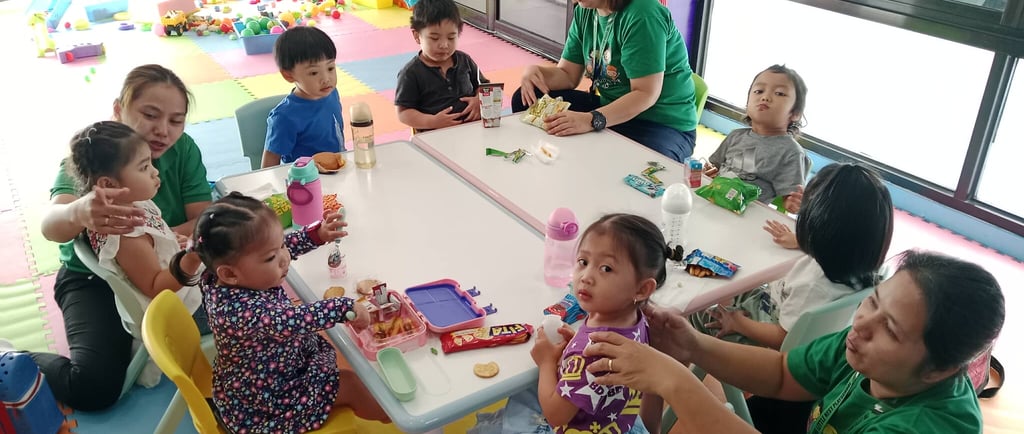
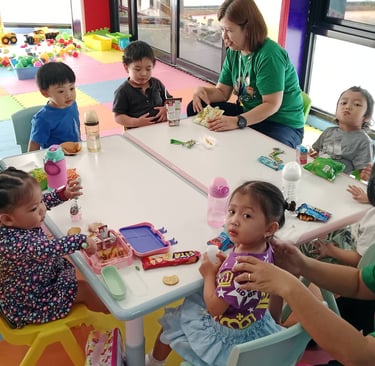
At Little Nest Playschool, we know that young children thrive on consistency and structure. A well-planned routine provides a sense of security, helps children understand expectations, and supports learning, social development, and emotional growth. For preschoolers, having a predictable day is not only comforting but also helps them build essential life skills that will serve them throughout their education and beyond.
Why Routines Matter
Routines are much more than just schedules—they give children a framework for understanding the world around them. When children know what to expect, they feel safe and confident, which allows them to focus on learning and exploring. Some of the key benefits of routines include:
Emotional security: Predictable routines reduce anxiety and help children feel safe.
Time management skills: Children learn to anticipate transitions between activities and manage their time.
Independence: Consistency allows children to participate in self-care and classroom tasks with confidence.
Behavior support: Clear routines minimize confusion, frustration, and behavioral challenges.
At Little Nest, we combine structured routines with playful learning to ensure that children experience both security and creativity throughout their day.
A Typical Day at Little Nest
A well-balanced preschool day includes a mix of structured lessons, play, physical activity, and rest. Here’s how a typical day is organized at Little Nest Playschool:
Arrival: Children are welcomed with a warm greeting, helping them feel comfortable and ready to start the day. This transition is important for setting a positive tone.
Physical Activity: Short bursts of movement help children develop gross motor skills, release energy, and prepare their bodies and minds for learning.
Lesson 1: A 15-minute hands-on, interactive lesson introduces new concepts such as letters, numbers, shapes, or science.
Snack Time: A 15-minute snack break provides nourishment and encourages social skills, like sharing and polite conversation.
Free Play: Even just 10 minutes of unstructured play lets children explore, make choices, and engage their creativity.
Lesson 2: Another 15-minute lesson reinforces concepts and allows for active, playful learning.
Hometime: A calm and structured end-of-day routine helps children transition smoothly to their parents or guardians.
This balance of structure and play ensures that children stay engaged, energized, and confident throughout the day.
Helping Children Manage Transitions
Transitions between activities can be challenging for preschoolers, but routines make them predictable and manageable. At Little Nest, we use visual cues, songs, and consistent language to signal transitions. For example:
A clean-up song signals the end of free play.
Handwashing routines indicate snack time.
Circle time routines mark the start or end of lessons.
These consistent signals help children anticipate what’s coming next, making transitions smoother and teaching them to adapt to changes—an important life skill.
Supporting Independence and Responsibility
Routines encourage preschoolers to take on responsibilities and develop independence. Children learn to:
Put away toys after free play
Wash hands before snack
Follow simple classroom rules
Prepare their belongings for hometime
By participating in these routines consistently, children gain confidence in their abilities and feel proud of contributing to the classroom environment.
Emotional and Social Benefits
Routines also support social-emotional development. When children know what to expect, they are less anxious and more able to interact positively with peers and teachers. Structured routines provide opportunities for:
Sharing and turn-taking during snack and play
Group participation in circle time or lessons
Practicing patience while waiting for transitions
Predictable routines create a safe space where children can focus on forming friendships, expressing themselves, and learning cooperation.
Tips for Reinforcing Routine at Home
Parents can strengthen the benefits of routines by providing consistency at home. Some simple strategies include:
Establishing regular wake-up, meal, and bedtime schedules
Creating predictable morning and evening routines
Using visual schedules or charts to show daily activities
Encouraging children to participate in simple household tasks consistently
By aligning home routines with school routines where possible, children experience consistency across environments, reducing stress and supporting overall development.
Conclusion
Routines are a cornerstone of early childhood education, providing children with structure, security, and opportunities for growth. At Little Nest Playschool, we carefully balance short lessons, play, physical activity, and social interaction within a predictable schedule that fosters confidence, independence, and emotional well-being.
A consistent daily routine helps preschoolers feel safe, understand expectations, and develop essential life skills while keeping learning enjoyable and engaging. With the support of both teachers and parents, routines empower children to thrive academically, socially, and emotionally—laying the foundation for a lifetime of successful learning and positive habits.
📞 Call: 09551559696
💬 Message: m.me/TheLittleNestPlayschoolMainBranch
📘 Facebook: facebook.com/TheLittleNestPlayschoolMainBranch
✉️ Email: admin@thelittle-nest.com
© 2025. All rights reserved.