The Role of Music and Rhythm in Early Childhood Development
Sing, move, and grow! Discover how The Little Nest Playschool uses music and rhythm to help preschoolers develop language, coordination, social skills, and confidence, making learning joyful, engaging, and full of creative expression.
The Little Nest Playschool
3/23/20263 min read
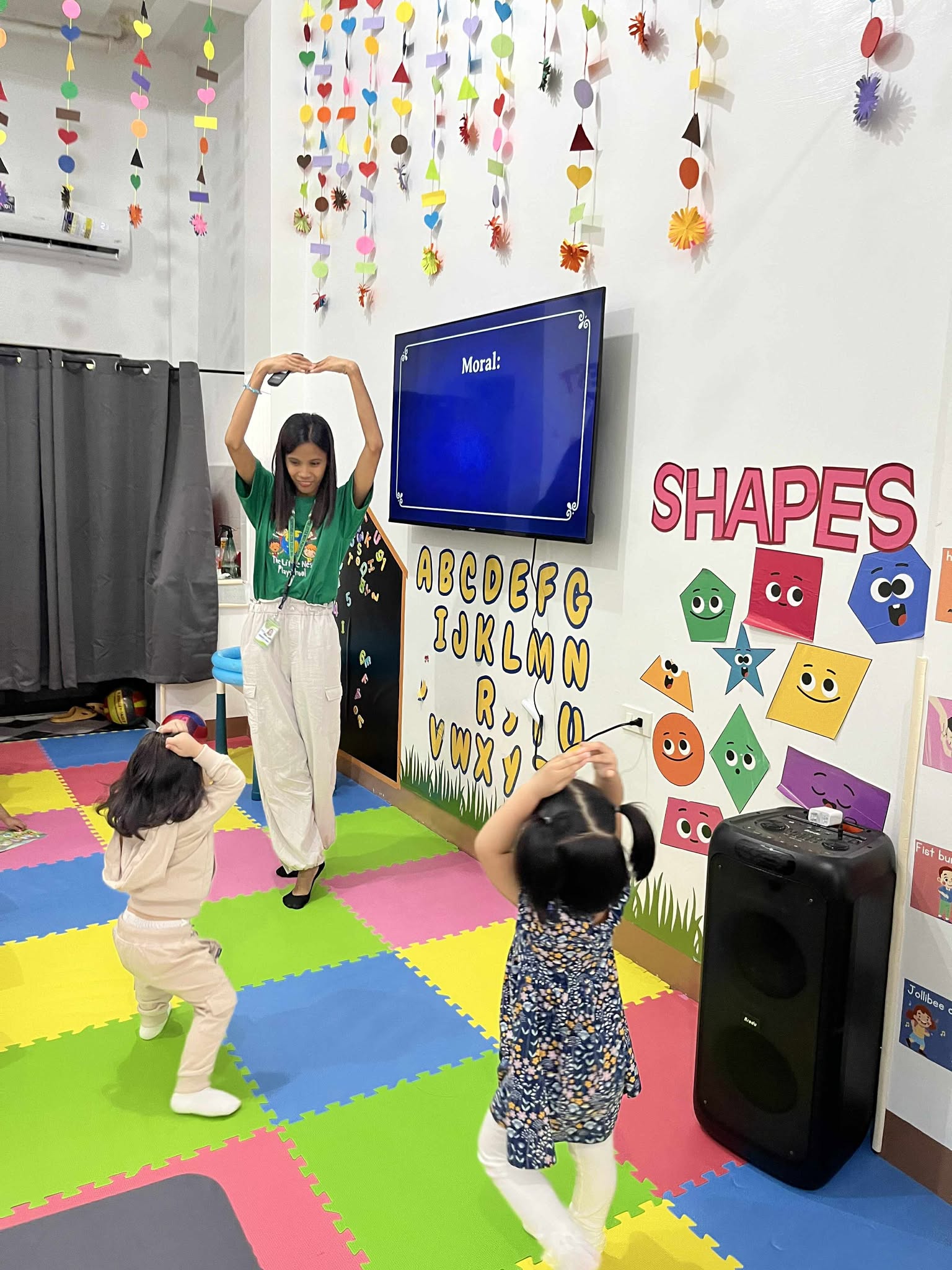
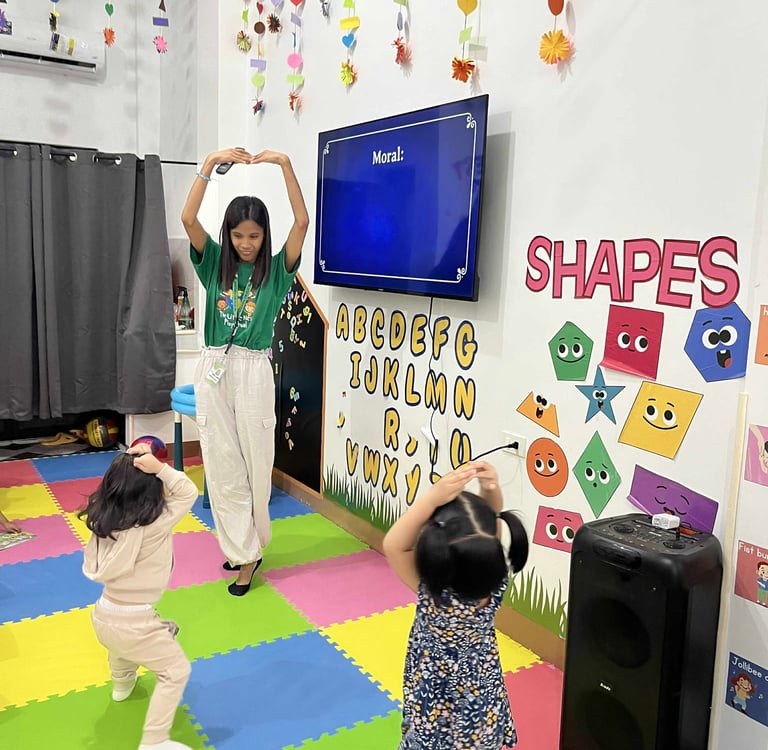
At The Little Nest Playschool, music and rhythm are an important part of our daily activities. Music is not only fun and engaging, but it also plays a key role in developing cognitive, social, emotional, and physical skills in young children. Singing, clapping, dancing, and playing instruments help preschoolers learn about patterns, coordination, language, and self-expression in a joyful and interactive way.
Why Music Matters in Early Childhood
Music has a profound impact on young learners:
Cognitive Development: Singing and rhythm activities help children recognize patterns, memorize sequences, and improve attention.
Language Skills: Music exposes children to new vocabulary, sounds, and sentence structures, supporting early literacy.
Social Skills: Group music activities promote cooperation, turn-taking, and shared enjoyment.
Emotional Expression: Music allows children to express feelings, manage emotions, and develop empathy.
Motor Skills: Clapping, tapping, and dancing strengthen coordination and rhythm, supporting both fine and gross motor development.
At The Little Nest Playschool, music is integrated into lessons, play, and transitions to create a vibrant learning environment.
How Music and Rhythm Are Used
Music activities at The Little Nest Playschool include:
Singing Songs: Age-appropriate songs teach language, counting, and sequencing. Children also develop memory skills while singing familiar tunes.
Movement and Dance: Dancing to music encourages coordination, balance, and body awareness. Children learn to move rhythmically and express themselves physically.
Clapping and Percussion: Clapping patterns or playing simple instruments helps children understand rhythm, timing, and beat.
Musical Games: Interactive activities like “freeze dance” or “musical chairs” promote focus, listening, and social interaction.
Listening Activities: Children explore different sounds and instruments, learning to differentiate pitch, tone, and tempo.
These experiences make music both educational and enjoyable, supporting multiple areas of development.
Integrating Music Into Daily Routines
At The Little Nest Playschool, music is woven naturally into the day:
Arrival: Soft background music or a welcome song helps children transition smoothly into the classroom.
Lesson Breaks: Short music or movement breaks refresh children’s attention and energy.
Structured Lessons: Songs and rhythmic activities reinforce academic concepts like counting, letters, and colors.
Free Play: Children can experiment with instruments, dance, or sing independently or with peers.
Transitions: Musical cues help guide children between activities in a fun, predictable way.
This integration ensures that music supports learning, focus, and social-emotional growth throughout the day.
Cognitive and Emotional Benefits
Music and rhythm positively affect both thinking and feeling:
Memory and Concentration: Learning lyrics, patterns, and melodies strengthens memory and focus.
Problem-Solving: Following musical patterns and improvising in rhythm activities encourages creativity and critical thinking.
Emotional Regulation: Music allows children to express joy, excitement, or calmness, helping manage emotions.
Confidence: Performing songs or rhythms in a group builds self-esteem and pride in accomplishments.
At The Little Nest Playschool, children experience these benefits in a supportive and playful environment.
Social Benefits
Group music activities foster social skills, including:
Sharing instruments and taking turns
Coordinating movements with peers during dances
Following instructions and listening carefully
Celebrating achievements together
These experiences help children develop empathy, cooperation, and communication skills while enjoying the fun of music.
The Role of Teachers
Teachers at The Little Nest Playschool guide musical activities by:
Demonstrating songs, movements, and instrument use
Encouraging participation from all children
Observing and supporting individual progress
Celebrating effort, creativity, and group collaboration
Their role ensures that music activities are engaging, educational, and inclusive for every child.
Supporting Music at Home
Parents can extend music learning at home with simple strategies:
Sing songs and nursery rhymes together daily
Encourage clapping, dancing, and moving to music
Provide simple instruments like shakers, tambourines, or homemade percussion tools
Explore different musical genres and sounds
Play music during daily routines and invite children to respond with movement or rhythm
Consistent exposure to music at home complements what children experience at The Little Nest Playschool, reinforcing learning and enjoyment.
Conclusion
Music and rhythm are powerful tools for early childhood development. At The Little Nest Playschool, children explore melodies, beats, and movement in ways that promote cognitive, social, emotional, and physical growth. Singing, dancing, and playing instruments help children develop memory, coordination, language, and confidence while fostering creativity and a love of learning.
By integrating music into daily routines and lessons, The Little Nest Playschool ensures that every child benefits from the joy and developmental advantages of music, building a foundation for a lifelong appreciation of rhythm, sound, and self-expression.
📞 Call: 0945 291 9906
💬 Message: m.me/TheLittleNestPlayschoolMainBranch
📘 Facebook: facebook.com/TheLittleNestPlayschoolMainBranch
✉️ Email: admin@thelittle-nest.com
© 2025. All rights reserved.