Why Playtime Matters for Learning
Play isn’t just fun — it’s learning! Discover how The Little Nest Playschool uses playtime to support creativity, social skills, physical development, and confidence in preschoolers.
The Little Nest Playschool
12/18/20251 min read
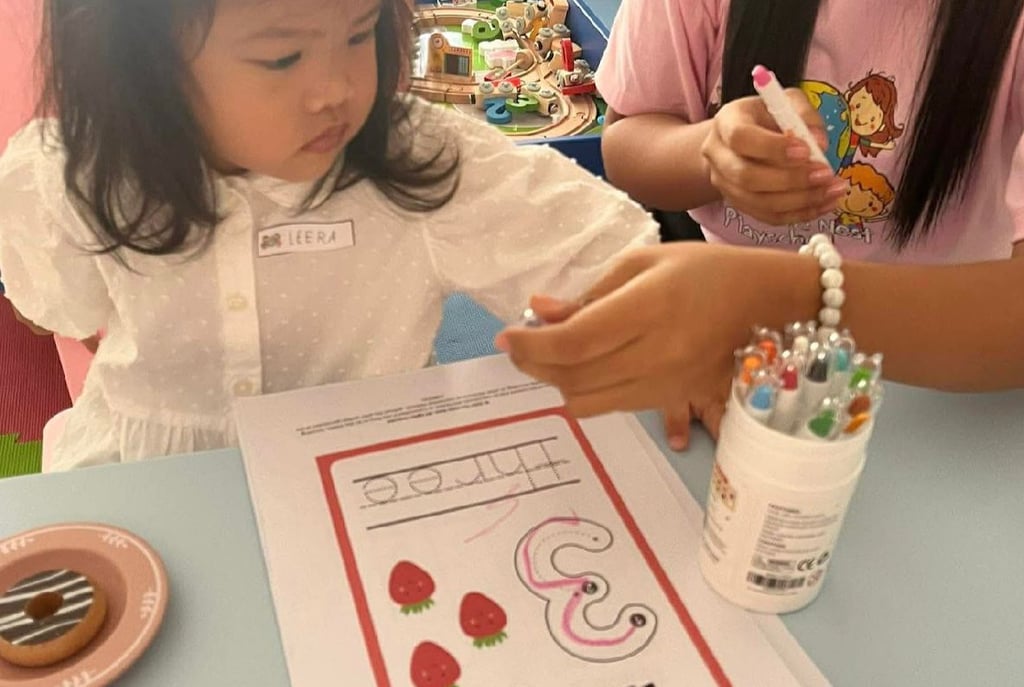
At The Little Nest Playschool, we believe that playtime is an essential part of learning. While it might look like just fun, play actually helps children develop important skills that form the foundation for lifelong learning.
Through play, children practice problem-solving and creativity. Building with blocks, pretending, or exploring new ideas encourages them to think critically and try different solutions. Even simple games spark imagination and innovative thinking.
Play also supports social and emotional growth. When children play with peers, they learn to share, take turns, communicate, and understand others’ feelings. These early experiences help children build confidence, cooperation, and empathy — skills that will benefit them in school and beyond.
Physical play contributes to development of motor skills and coordination. Running, jumping, climbing, and even simple hand movements help children strengthen muscles, improve balance, and develop hand-eye coordination. These skills support both physical health and daily life activities.
Additionally, play encourages independence and self-expression. Children make choices, try new things, and express their thoughts and emotions in ways that feel natural. This builds confidence and a sense of autonomy.
At The Little Nest Playschool, we make sure that children have opportunities for meaningful, joyful play every day. By valuing play as an important part of learning, we help preschoolers grow cognitively, socially, emotionally, and physically — all while having fun.
📞 Call: 0945 291 9906
💬 Message: m.me/TheLittleNestPlayschoolMainBranch
📘 Facebook: facebook.com/TheLittleNestPlayschoolMainBranch
✉️ Email: admin@thelittle-nest.com
© 2025. All rights reserved.